


 Contact Support
 Sign In

If you’ve been considering selling furniture, going online is one of the easiest and most affordable ways to get started. For this, you don’t need to rent a warehouse or hire staff immediately. With the right tools and a user-friendly Website Builder, you can run your business from home and reach buyers across the country.
These days, more people are buying furniture online because they want the freedom to shop at any time, compare styles, and have pieces delivered right to their door. This shift in shopping habits allows new sellers to step in and grow.
The numbers tell the same story. According to Statista, the global furniture market is constantly growing, with revenue expected around $729.7 billion by 2025, and an annual growth rate of approximately 3.73%. Here, living room furniture has the biggest share, comprising over $213 billion of that total.
The United States is projected to lead in revenue, reaching over $253 billion in 2025. With urban growth and rising disposable income, countries like China are also seeing strong demand in this space. This shows a rising need and steady growth, which is good news if you’re starting an online business.
Whether you’re building custom pieces, flipping used furniture, or selling ready-made designs, this guide will show you the steps to sell furniture online. From selecting what you sell, to setting up your store and attracting customers, we’ll cover everything you need to launch your business the right way.
KEY TAKEAWAYS
- When you sell furniture online, select a business model that suits your skills and goals, whether you make, design, resell, or dropship.
- Focus on a specific niche to help your store stand out and attract the right buyers.
- Register your business name, check for trademarks, and pick the right structure to stay protected.
- Ensure you have the licenses or permits required for your location and type of business.
- Open a business bank account and use simple bookkeeping tools to manage your income and expenses.
- Find the best way to source your furniture by building it yourself, partnering with suppliers, or flipping used pieces.
- Decide where to sell furniture online, either on your website for more control or on marketplaces for faster exposure.
- Provide clear photos, detailed measurements, and virtual room previews to help customers shop with confidence.
- Grow your store through social media posts, blog content, search engine keywords, and email updates.
- Plan how you’ll pack and ship each item safely and offer a return policy that’s fair and easy to follow.
- Stay safe when offering local pickups by meeting in public places and only accepting cash payments.
- Watch new trends in resale, eco-friendly design, and online shopping tools to keep your business moving forward.
TABLE OF CONTENTS
How to Start an Online Furniture Store
In this section, we show you 8 steps to sell furniture online:
Step 1 – Choose the Right Furniture Business Model
Before you sell furniture online, it’s essential to choose a business model that suits your skills, budget, and long-term goals. There are a few common options to choose from, and each one works differently.
- Maker Model: If you’re someone who enjoys building or fixing things, the maker model could be a great fit. You create furniture by hand and sell your work. It gives you full control over the design and quality, but it also takes more time and effort.
- Designer Model: This model is a little different. You create the designs, but you work with a manufacturer to build the furniture for you. This way, you focus more on your ideas and less on the actual building process.
- Reseller Model: With this model, you buy furniture from other brands or wholesalers and sell it through your online store. It’s quicker to get started and requires minimal hands-on work. But there will be more competition, and profit margins may be lower.
- Dropshipper Model: This model is the easiest to manage when you’re just starting. You list furniture in your store, but the supplier handles the packaging and shipping. You don’t need to keep any stock. Remember: You’ll have less control over product quality and delivery speed.
Here’s a quick look at the pros and cons of each model:
| Model | Pros | Cons |
| Maker | Full control, unique products | Time-consuming, requires tools and space |
| Designer | Creative freedom, scalable | Needs a reliable manufacturer |
| Reseller | Easy setup, wide product choice | Lower profits, more competition |
| Dropshipper | No inventory, low startup cost | Less control over quality and shipping |
Once you choose your model, it’s time to narrow your focus. This is called finding your niche. Instead of selling all types of furniture, it’s better to focus on a specific type. For instance:
- Space-saving pieces for small homes.
- Eco-friendly furniture made from recycled wood.
- Vintage-style designs.
Remember, a clear niche helps you stand out and attract the right customers. As you grow, ensure you build a strong brand. Choose a name that fits your style and check if it’s available as a domain.

Also, if you plan to increase your business, consider registering a trademark to protect your brand logo and name.
Once you pick the right model and niche, you have a strong foundation. From here, you can build a business that matches your vision and reaches the type of customers you want to serve.
Step 2 – Setup Legal and Financial Foundations
Now, you must ensure the legal and financial parts are in place. This helps you avoid problems later and keeps your business running smoothly.
Here’s how to do this:
First, choose a business structure. Most small business owners pick one of these:
- Sole proprietorship.
- Partnership.
- Limited Liability Company (LLC).
An LLC is often a good choice, because it separates your personal and business finances and adds legal protection.
Now, register your business name and a unique domain name for your website. If you haven’t done this already, consider registering a trademark to protect your brand from being used by others. It’s not required to start, but it’s a smart step if you plan to increase your brand over time.
Additionally, depending on where you live and how you plan to sell furniture online, you may need licenses or permits. These rules change from place to place. Some areas require:
- A sales tax permit.
- Home business license.
- Reseller license.
It’s best to check with your local business office or small business center to find what’s required in your area. Once the legal side is done, it’s time to set up your business finances.
Open a separate business bank account to keep personal and business finances separate. This makes tracking income and expenses easier. Also, consider using simple bookkeeping software to record your:
- Sales.
- Costs.
- Profits.
Staying organized from the start helps you avoid tax issues later.
Now, let’s talk about your pricing strategy. To make a profit, you need to price your furniture higher than what it costs you. That means adding up all your costs (materials, tools, storage, packaging, shipping, and even time) and setting a price that gives you space to earn.
Here’s a simple formula:
Selling Price = Cost of Goods + Shipping + Storage + Time Spent + Your Profit MarginYour profit margin is the extra amount you add to cover your earnings. Many furniture sellers aim for 30-50%, but this depends on your niche and market. Also, remember to plan for returns. Even if you don’t expect many, having a fair return policy builds trust with buyers.
Step 3 – Source and Manage Inventory
Once you’ve selected your business model and set up legal and financial items, the next step is to find the best way to source and manage your furniture. The process depends on whether you’re a:
- Maker.
- Designer.
- Reseller.
- Dropshipper.
The goal is the same – to organize your inventory and prepare your products for selling.
If you’re a maker, it’s helpful to build a small batch of ready-to-ship items and keep raw materials stocked. This way, you’re not starting from scratch each time an order comes in.
If you’re a designer, it’s important to find a reliable production partner who can deliver on time and match your quality standards. Always test samples before selling them online.
Resellers should choose suppliers with a good track record. Monitor stock levels, especially if you offer a wide variety of pieces. For dropshipping, work with a trusted supplier that offers fast shipping and high-quality products.
No matter the inventory model you use, storage and inventory management are crucial.
If you store furniture yourself, use a clean, dry space to avoid damage. Label everything clearly and use shelving or racks to save space. For larger inventories, consider renting a small warehouse or use a fulfillment center.
To organize things, you should use inventory tracking tools. Many ecommerce platforms offer built-in stock management features. These tools help you track what’s in stock, what’s sold, and when to reorder. This helps avoid overselling and keeps your store running smoothly.
Another creative option to consider is furniture flipping or upcycling. This involves buying used furniture, fixing it, and reselling it for a profit. It’s a great choice for a low-cost way to start, or if you care about sustainability.
Some experienced furniture flippers reportedly earn up to $3,000 per piece, especially when working with high-end items or vintage.
Upcycling also helps your brand stand out, especially if you focus on eco-friendly or one-of-a-kind designs. It gives buyers something unique and adds a personal touch to your store.
Whether you’re building from scratch or flipping old finds, managing your inventory correctly helps you deliver on time, avoid waste, and grow your furniture business with confidence.
Step 4 – Build a Successful Online Furniture Storefront
Once you’ve got your products ready, it’s time to build your online store. This is where customers will browse, learn about your furniture, and place orders. Here, choosing the right platform and design is essential for making a great first impression and turning visitors into buyers.
So, decide where you want to sell furniture online. You have 2 main options:
- Use an online marketplace.
- Create your own website.
Marketplaces like Amazon, Etsy, and eBayare easy to join and already have large audiences. Here, you don’t have to worry about building traffic from scratch. But they also charge fees and offer limited control over branding. You’re one of many sellers, so it’s harder to stand out.
On the other hand, building your own website is the best way to sell furniture online if you want full control. You can create a custom look, write specific product descriptions, and build a strong brand. It will take you more time to set up, but you avoid monthly marketplace fees and keep your profits.
If you choose to build your site, and use our website builder, you will have a selection of drag-and-drop widgets to add features for your online store. However, if you use WordPress, install the WooCommerce plugin to have all the ecommerce tools.

Regardless of what option you choose to build your store, ensure you focus on user experience. Ensure the layout is clean and easy to navigate.
Use categories like “Living Room”, “Office”, or “Small Spaces” to help customers find what they need quickly. Ensure your site works well on mobile too, as many people shop from their phones.
When you sell furniture online, its large size can make it harder to capture properly in photos. So, to make your products stand out, use high-quality images from various angles. Show close-ups of textures and materials. Add precise measurements in both inches and centimeters, so buyers know what will fit.
You can also use virtual staging tools so customers can see how furniture looks in a room. Some tools let you place items into sample living spaces so customers can picture them at home. This adds value and builds trust.
Step 5 – Marketing Strategies to Drive Sales
Once your furniture store is live, the next big steps are to attract customers and drive sales. That’s where good marketing comes in. You don’t need a huge budget to begin, just the correct mix of innovative tools and a connection with your audience.
Let’s start with the basics. Some of the most effective marketing tactics for an online furniture business include:
- Social Media Marketing: Share photos, videos, and updates on Facebook, Instagram, TikTok, and YouTube.
- Search Engine Optimization: Optimize metadata by using the right keywords in your product titles, descriptions, and blog posts to help people find you on Google.
- Email Marketing: Collect emails and send helpful tips, updates, and offers to your subscribers.
- Paid Ads: Run targeted ads on Google or social media to reach people who are already looking for furniture.
Each method works better when you focus on building trust. That’s where content strategy and storytelling play a significant role. Don’t just sell, share. Talk about how your products are made, the materials you use, and what makes them special. Post behind-the-scenes videos on your website to show your process or the care that goes into each piece. Tell your brand story; how you got started, what you believe in, and why your work matters. This kind of honest content helps your brand feel real.
If you’re flipping or upcycling furniture, TikTok and Instagram are great places to grow your reach for free. Short videos showing before-and-after shots, painting tips, or furniture makeovers can go viral.
Many sellers have built large audiences just by sharing their flipping journey, one piece at a time. It’s because furniture flipping is not only popular; it’s also inspiring to watch, and that’s exactly what works on these platforms.
TIP: Whatever you focus on, be consistent. Show up often, talk to your audience, and offer value. When you combine helpful content with clear promotions, you create a marketing plan that builds attention and sales.
Sell furniture online with everything you need in one place — Domain Registration, reliable Web Hosting, and create your site with our simple Website Builder.
Hosted.com® also offers professional email, free SSL, and expert support to guide you every step of the way.
Step 6 – Fulfill Orders and Ship Furniture
Once you receive orders, you’ll need a clear plan for getting your products to customers. Good fulfillment and shipping make a difference in how people view your brand. If your items arrive late, damaged, or poorly packed, it can hurt your reputation.
There are 2 main ways to handle fulfillment.
- You can either do it yourself (self-fulfillment) or use a third-party service. If you’re just starting and selling a few pieces, self-fulfillment is fine. You pack the items at home or in your workspace and book the shipping yourself. This gives you full control, but it also takes more time.
- If you’re selling large furniture or have many orders, it’s worth considering Less-than-Truckload (LTL) freight shipping.
With LTL, your furniture shares space in a truck with other shipments. It’s more affordable than full truckloads and is made for big or heavy items. You can also use shipping services that handle packing and delivery for you, which saves time and lowers the risk of damage.
Whatever way you ship, proper packaging is crucial. Use thick, protective materials like bubble wrap, foam, and edge guards. Wrap corners and legs tightly and pack each item in a strong box or crate.
If shipping wood furniture, ensure it is protected from moisture. Label each box clearly and include instructions if the item needs assembly.
Don’t forget about returns. Inform buyers how they can return, who pays for shipping, and the condition the item must be in. If you handle it politely and fast, many people will return to buy from you.
The goal is to ensure each order arrives safely and on time. When your shipping process is smooth, customers are more likely to leave good reviews and recommend your store to others.
Step 7 – Customer Service and Safety
When you sell furniture online, strong customer service will help your business grow. When people trust your store, they’re more likely to purchase and return. That trust starts with being clear, honest, and helpful from the very beginning.
For this step, you need to do the following things:
Set up clear store policies. Explain shipping times, returns, and refunds clearly. Post these details on your website where they are easy to read. It’s also a good idea to offer tracking numbers and updates after every order. This shows your reliability and keeps buyers at ease.
Additionally, online security is also essential. Ensure your website has an SSL certificate (you’ll see the https:// in the browser bar). This protects your customer’s personal details during checkout. If you’re using a trusted ecommerce platform, they usually handle this for you.

If you’re also selling furniture through local listings or offering pickup options, stay cautious. Here are a few safety tips:
- Meet in a public place during daylight hours.
- Don’t invite strangers to your home if you can avoid this.
- Bring someone with you if possible.
- To avoid scams with fake payments, accept cash only.
You can also set clear rules in your listing by saying that payment is cash only, final sale, or pickup only. The more upfront you are, the fewer problems you’ll have later.
Step 8 – The Future of Selling Furniture Online
The way people buy and sell furniture online is changing fast. If you’re planning to grow your furniture business, it helps to stay ahead of the trends. Knowing where the market is going can help you offer the right products and reach the right audience.
One big shift is the rise of the resale economy. These days, people buy second-hand furniture to save money, reduce waste, and find unique pieces. This trend supports both small sellers and the environment. Flipping, upcycling, and reselling are no longer side gigs; they’re part of a growing market.
Sustainability is another strong trend. Buyers care about where their furniture comes from, how it’s made, and what materials are used. If you use recycled wood, eco-friendly packaging, or reduce waste in your process, you should highlight this. These small details can make a huge difference in how customers view your brand.
Many sellers are now choosing the direct-to-consumer (DTC) model. Instead of going through big retailers, they sell straight to buyers through their websites. This gives more control over pricing, branding, and customer relationships.
Technology is also playing a bigger role. Augmented Reality (AR) and Virtual Reality (VR) tools help buyers see how furniture will look in their space before they buy. Some platforms let users place digital versions of furniture in their rooms using their phone camera. This helps reduce returns and builds buyer confidence.
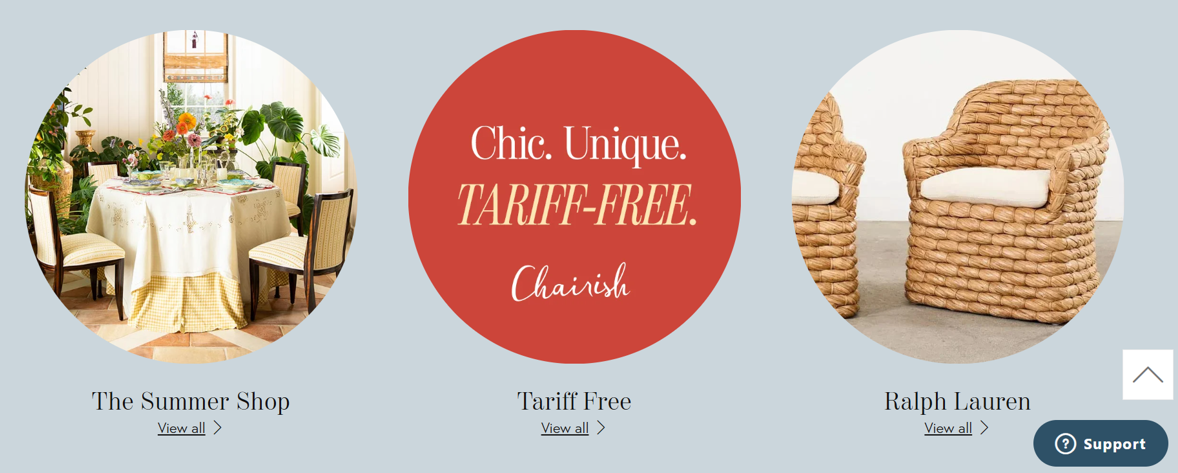
If you’re selling vintage or second-hand items, a platform like Chairishis worth exploring. It focuses on curated, high-end used furniture and offers tools to help sellers list and ship their items. Keep in mind that they take a certain percentage cut from each sale based on your seller account, but they also attract buyers wanting rare, designer pieces.
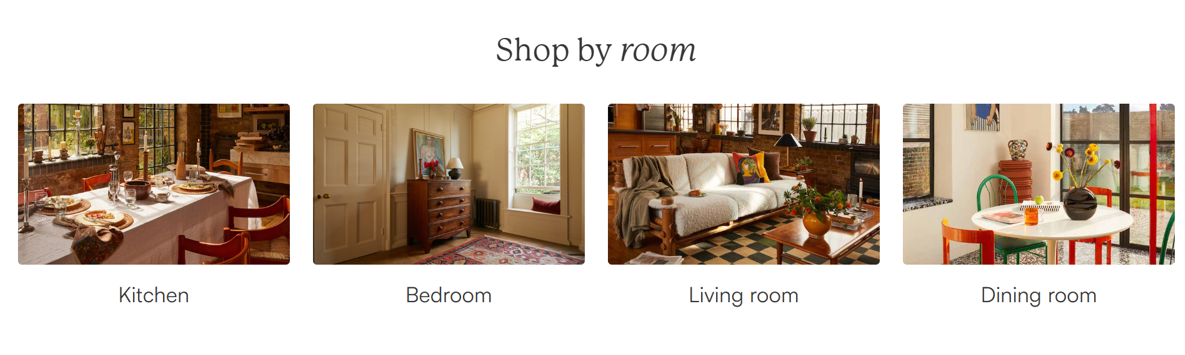
In Europe, Vinterioris another growing marketplace. It focuses on sustainable, one-of-a-kind furniture. It supports the circular economy, where goods are reused, repaired, and recycled, not discarded. Vinterior connects vintage furniture sellers with design-conscious buyers who care about the story behind each item.
As the online furniture space grows, trends such as eco-awareness, resale, and smart tech will shape the future. If you stay flexible and are keen to learn, you’ll be ready to meet new demands and build a lasting brand.
![Strip Banner Text - Build your furniture business website with Hosted.com®’s Website Builder. [Learn More]](https://www.hosted.com/blog/wp-content/uploads/2025/08/sell-furniture-online-02-1024x229.webp "Register your domain, build your website, and host it all with Hosted.com®")
Find the Perfect Domain Name – AI Domain Name Generator
VIDEO: Find the Perfect Domain Name – AI Domain Name Generator
FAQS
What are some low-cost ways to promote my furniture business online?
Try creating short DIY videos, before-and-after flips, or styling tips using your products. Posting consistently on TikTok, Pinterest, or Instagram can drive free traffic. You can also join Facebook groups related to home decor or small space living and share helpful posts that link to your store.
How can I handle custom furniture orders without overpromising?
Set clear expectations upfront. Use a simple form to detail size, color, and style preferences. Provide a realistic timeline based on your workflow and ask for a deposit before you start. Communicate regularly with the buyer, so they feel involved and informed.
How do I deal with furniture that isn’t selling?
If a piece has been sitting for too long, try rewriting the title and description with better keywords. Refresh the photos or restage them in a new setting. You can also bundle it with a smaller item or offer a limited-time discount to boost interest.
Can offering assembly help improve sales?
Yes. Many buyers hesitate to buy large furniture online because they’re worried about assembly. Offering clear instructions, a video guide, or optional assembly service (if you’re local) can build trust and make your store more attractive, especially for first-time buyers.
How do I collect customer reviews when I sell furniture online?
Request reviews after each successful delivery through email or text. Offer a small discount on their next order as a thank-you. You can also encourage photo reviews to show real-life use, which helps build trust with future buyers.
Other Blogs of Interest
– 5 Ways to Fix Your Website Is Not Secure Error Message
– What Is The Best Email Hosting For Small Business
– Affordable Website Design: Tips For Cost-Saving
– Email Marketing For Small Businesses: A Beginner’s Guide
– How To Create A Sitemap For Your Website
- About the Author
- Latest Posts

Chantél Venter is a creative writer, strategic thinker, and a serious gesticulator. She’s passionate about storytelling, small businesses and bringing color to the world – be it through her words or wardrobe.
She holds a four-year degree in Business and Mass Media Communication and Journalism. She’s been a copywriter and editor for the technology, insurance and architecture industries since 2007 and believes anybody can run a small business successfully. She therefore enjoys finding and sharing the best and most practical tips for this purpose.