


 Contact Support
 Sign In
A meal prep business prepares and delivers ready-to-eat meals that save time and support healthy eating. It’s a growing choice for busy people who want fresh, balanced meals without spending hours in the kitchen.
The demand for healthy and convenient food options is increasing quickly. According to Fortune Business Insights, the global prepared meals market was estimated at around $178.83 billion in 2024 and is expected to increase from $190.71 billion in 2025 to approximately $291.27 billion by 2032, growing at a compound annual rate of 6.24% throughout the forecast period. This growth shows that it’s the perfect time to start a meal prep business.
This handy guide provides the key steps to start a meal prep business, from planning and acquiring licenses to creating your menu, setting up your site using a Website Builder, packaging, delivery, and marketing. Each step helps you build a professional and profitable business.
KEY TAKEAWAYS
- Choose your target market and meal niche before starting.
- Build a solid business plan with clear pricing and cost goals.
- Have all required licenses, permits, and food safety certifications.
- Set up a compliant kitchen and design a consistent, healthy menu.
- Create an online ordering system using a Website Builder or WordPress with WooCommerce.
- Promote your business, track results, and improve through customer feedback.
TABLE OF CONTENTS
Meal Prep Business vs Meal Kits
Before you begin, it’s important to understand how meal prep businesses differ from meal kits or packaged foods. A meal prep business focuses on delivering fresh, fully cooked meals or portioned ingredients designed to suit specific diets or preferences.
On the other hand, meal kits usually include raw ingredients and recipes that customers must prepare themselves. Packaged foods, in contrast, are often processed and less customizable. The meal prep model is more personalized and flexible, allowing customers to choose meals based on taste, calories, or dietary needs.
What You Should Know First
Before you start a meal prep business, it’s important to understand how the model works and why it’s so effective. The main idea is to make fresh, healthy meals easier for customers while keeping your operations efficient and profitable.
Remember, when you start a meal prep business, it has several key advantages:
- By buying ingredients in bulk, you can reduce waste and control costs more effectively.
- Customers benefit from portioned meals that let them stay on track with their health goals, while you gain from repeat orders and consistent demand.
- The greatest appeal is convenience. People receive nutritious meals delivered without having to plan, shop, or cook every day.
There are a few formats to choose from in the meal prep category. Some businesses focus on fully cooked, heat-and-eat meals ready to enjoy quickly. Others offer ingredient kits, where customers receive pre-measured ingredients with simple cooking instructions.
You can also decide between a subscription model, where clients sign up for weekly or monthly deliveries, or an à la carte option, where they order only when required. Each model has its benefits, depending on your resources and audience.
However, running this type of business also brings challenges:
- Since meals are perishable, food safety and temperature control are critical.
- You need to carefully manage refrigeration, delivery timing, and storage.
- Keeping customers happy is another challenge, as the market is competitive, and margins can be thin.
Remember, streamlined operations, reliable suppliers, and smart pricing strategies are essential for long-term success.
According to recent Fortune Business Insights reports, the global meal prep and ready meal market continues to grow steadily, driven by health-conscious consumers and busy lifestyles. The strongest growth is seen in regions with high demand for fresh, local, and convenient food options. If your business targets a specific area, research local eating habits and delivery preferences to find your best opportunities.
Understanding these basics will help you choose the right format, pricing, and marketing strategy before starting a meal prep business.
How to Start a Meal Prep Business
Step 1: Decide Who & What to Serve
The first step when you begin a meal prep business is to decide who you want to serve and what type of meals you’ll offer. Defining your target market early helps you build a menu, pricing, and delivery plan that suits your customers’ needs.
Here’s what you must do:
Choose Your Niche & Delivery Format
Select your niche or specialization that gives your business a clear identity and helps you stand out in a crowded market. For example, you can focus on vegan meals, keto diets, family-size portions, athlete meal plans, or low-carb and gluten-free options. Each niche attracts a specific audience, so choose one that matches your passion and skills.
Next, decide how far you’ll deliver and what your delivery format will be. Some meal prep companies serve a small local area, while others deliver throughout an entire city.
If you’re starting, it’s better to focus on a smaller delivery radius to ensure the food stays fresh and arrives on time. You can also offer pickup options for nearby customers who prefer to collect their meals themselves.
Build Customer Profile
Once you’ve selected your niche and delivery area, build a customer profile. This means identifying the age, lifestyle, and food preferences of your target buyers.
Are they office workers who want quick lunches, athletes focused on protein-rich meals, or families wanting easy dinners? Understanding your audience helps you price your meals correctly and design your marketing strategies to what matters most to them.
Validate Your Business Idea
Finally, take time to validate your idea before investing heavily. You can run online surveys, offer a small batch of meals to test the market, or study competitors to see what’s working for them. Feedback from these tests helps you fine-tune your menu, portion sizes, and pricing before a full launch.
By knowing exactly who you’ll serve and what you’ll offer, you’ll build a solid foundation for your meal prep business and attract the right customers from the start.
Step 2: Build a Business Plan & Financial Blueprint
Once you know your target audience, the next step is to build a solid meal prep business plan, which is your roadmap for how your business will operate, make money, and grow over time.
Start with the main components of your plan:
- Create a short mission statement that explains what your business stands for and a vision that describes where you want it to go. Ensure you set clear goals to measure progress.
- Then, outline your revenue model. This includes how you’ll price your meals, whether you’ll use subscriptions, and if you’ll charge delivery fees.
- Next, build a cost structure that lists expenses like ingredients, packaging, labor, delivery, and marketing.
- Finally, estimate your profit and loss projection and identify your break-even point to know when your business will start covering its costs.
You’ll also need a clear supply chain and sourcing plan. Find out where to source your ingredients, packaging, and kitchen equipment. Compare multiple suppliers to find the best prices and quality. Negotiate contracts for bulk orders and set minimum order quantities that make financial sense. It’s also smart to have backup vendors in case your main supplier cannot meet demand.
When it comes to menu development, focus on creativity and cost control. Calculate the cost per dish, including ingredient prices and overhead costs like electricity and staff wages. Test your recipes to ensure they’re consistent, scalable, and profitable. Each meal should balance quality and affordability and meet customer preferences.
Lastly, plan your staffing and daily operations. Decide who you’ll need to hire, such as chefs, kitchen helpers, and delivery staff. Define clear workflows for each stage, such as prepping ingredients, cooking, packaging, and dispatching orders. Here, having an organized process keeps your operations smooth and reduces waste or delays.
Expert Tip: Take time to create your business plan, because it helps you make smarter decisions, control costs, and attract investors or partners if required. This is the foundation that keeps your meal prep business organized and ready for growth.
Create your meal prep business site with Hosted.com® and start taking orders online. Enjoy fast Web Hosting, secure checkout, and full control of your brand.
Step 3: Licenses, Permits, & Compliance
Before you can sell your meals, ensure your meal prep business is legal and compliant with all local and food safety laws. This step protects your business, builds customer trust, and helps you avoid fines or shutdowns.
Here’s what you need to do in this step:
Pick a Legal Business Structure
To start a meal prep business and run it smoothly, you need to choose a legal business structure.
The most common options are:
- Sole Proprietorship.
- Limited Liability Company (LLC).
- Corporation.
An LLC is often preferred because it separates your personal and company finances, offering liability protection while keeping taxes simple. However, it’s best to consult a local accountant or advisor to understand the tax implications of each structure before registering your business.
Follow Food Safety & Health Regulations
Next, ensure you follow food safety and health regulations. You’ll need the correct food service permits and may need to pass health inspections before starting operations.
In most areas, you or your staff must hold certifications such as ServSafe, Hazard Analysis Critical Control Point (HACCP), or Good Manufacturing Practices (GMPs) to ensure proper food handling. Don’t forget about labeling laws – every meal must list ingredients, allergens, and nutritional facts to comply with local food labeling rules.
Get Insurance
When you start a meal prep business, you’ll also need the right insurance coverage. At a minimum, have General Liability Insurance to protect against accidents and Product Liability Insurance in case someone gets sick from your food.
If you own or rent a kitchen or delivery vehicle, consider Commercial Property and Vehicle Insurance as well. These protect your business from unexpected losses or damage.
Complete Registration
Finally, complete all registration and compliance steps. Register your business name, secure a corresponding domain name, apply for a tax ID, and get the necessary local permits to operate legally.

In some cases, you may need to register with the Food and Drug Administration (FDA) or a similar local food authority, especially if you ship meals across regions.
Taking time to set up your licenses, permits, and insurance is the best way to ensure your meal prep business runs safely, confidently, and in full compliance with the law.
Step 4: Finding Your Kitchen, Facility, or Workspace
Once your paperwork is ready, the next step is to choose where you’ll prepare your meals. Your workspace affects everything, from food safety and efficiency to how fast you can scale your business.
Start by evaluating where to operate. Some areas allow meal prep businesses to work from a home kitchen, but most require a licensed commercial kitchen. You can also rent space in a commissary or shared kitchen, which is fully equipped and inspected by health authorities.
These kitchens are excellent for startups, because they lower upfront costs and provide professional equipment without long-term commitments.
Next, make a list of the infrastructure and equipment you’ll need.
This includes:
- Ovens.
- Refrigerators.
- Freezers.
- Mixers.
- Utensils.
- Pans.
You’ll also need packaging tools like vacuum sealers, label printers, and weighing scales to keep meals fresh and properly labeled. Investing in reliable refrigeration is especially important for keeping food at safe temperatures.
Before signing anything, carefully review your lease and facility agreements. Ensure you understand maintenance terms, utility costs, and insurance requirements. Check if the space meets the required zoning laws and food production regulations in your area. If you plan to expand later, find a facility that allows easy scaling without frequent relocation.
Step 5: Develop Your Menu, Packaging, & Labeling
When you start a food prep business, your menu defines your brand, pricing, and how customers experience your service. A well-planned menu keeps your food costs balanced while offering enough variety to attract repeat buyers.
Here’s what you need to do:
- Menu Design: Design your menu to offer a mix of meals that are tasty, healthy and easy to store. Keep the menu balanced with proteins, carbs, and vegetables. Change items seasonally to keep things fresh and include portion options for different diets, such as high-protein, low-carb, or family-size meals.
- Recipe Standardization: Once your menu is ready, focus on recipe standardization. This means ensuring every meal has the same taste and quality each time it’s prepared. Control your recipe yields, measure ingredients accurately, and note any safe substitutions for seasonal items.
- Packaging: Your packaging plays a big role in food quality and presentation. Choose insulated or compostable containers that keep food fresh and travel well. Ensure the packaging is leak-proof, tamper-evident, and stackable for easy delivery. Invest in labeling equipment to keep your meals looking clean and professional.
Finally, pay close attention to labeling and nutritional information. Every package should include an ingredient list, allergen warnings, and nutritional facts. If you’re making health-related claims like “low sugar” or “organic”, ensure they meet regulatory standards. You can also use nutrition calculator software or third-party services to generate accurate labels.
With the correct menu, consistent recipes, and well-designed packaging, you will deliver meals that look appealing, stay safe, and keep customers coming back for more.
Step 6: Delivery & Logistics
A great meal prep business doesn’t stop at cooking – it also ensures that meals arrive fresh, safe, and on time. Therefore, setting up an efficient delivery and logistics system keeps customers happy and protects your brand’s reputation.
To do this, choose your delivery model. You can manage deliveries with your own fleet, work with third-party courier services, or use a hybrid model that combines both. If you handle deliveries yourself, plan routes and schedules carefully to save fuel and time. Many businesses use delivery management software to batch orders, assign routes, and track vehicles in real-time.
Maintaining food quality during transport is also essential. This is where cold chain management comes in. Meals should stay at safe temperatures from your kitchen to the customer’s door. For this, use insulated bags, gel packs, and temperature-controlled containers to keep food fresh. It’s also smart to limit transit times to ensure customers always receive meals in the best condition.
When it comes to packaging for transport, safety and stability are essential. Use materials that resist shocks, prevent leaks, and stay secure even when stacked together. Proper packaging not only protects your food; it also makes your delivery process smoother.
Lastly, plan how to handle failed deliveries, damaged items, or returns. Create clear policies and teach your staff how to manage issues quickly and professionally. A good resolution process helps maintain customer trust and encourages repeat orders.
Step 7: Build Your Online Ordering & eCommerce System
When you start a meal prep business, your website is the main point of contact between your business and customers. A simple, fast, and user-friendly online ordering system makes it easier for people to browse your menu, place orders, and pay securely.
To do this:
Choose your ecommerce platform and select one that fits your business needs. You can choose a user-friendly Website Builder for an all-in-one setup, or integrate WordPress with WooCommerce for more flexibility and control.

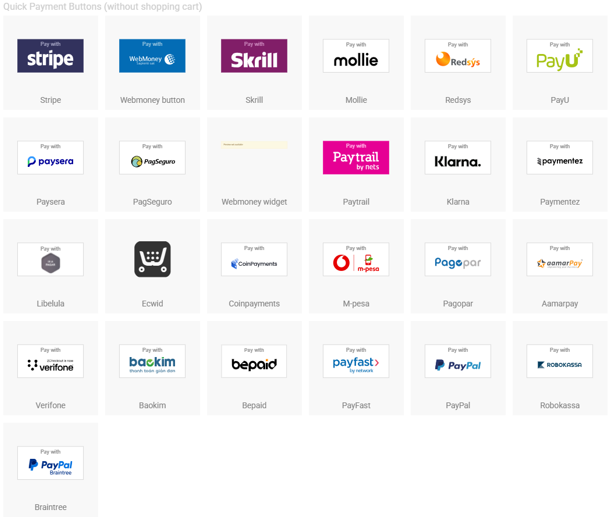
Whatever platform you select, ensure it supports payment gateways (with Hosted.com®’s Website Builder, you get 20+ payment options), subscription plans, and an order management system that tracks all transactions. Integration between your kitchen and website will keep operations smooth.
Next, build clean and easy-to-navigate menu pages. Add options for meal types, portion sizes, and dietary preferences so customers are able to personalize their orders. Keep your product images clear and optimized to load quickly.
Also, ensure that your inventory and order system sync automatically. This helps prevent overselling and keeps your menu updated. Automating this saves you from errors and reduces manual work.
When you start a meal prep business, your website should also follow SEO and content optimization best practices, such as:
- Using relevant keywords.
- Writing strong meta titles and descriptions.
- Including alt text for images.
Keep the site fast, secure, and mobile-friendly, too, as most users order from their phones.
Lastly, improve your conversion rate by adding strong calls to action, upselling side dishes or drinks, and reducing cart abandonment through reminders or small discounts.
With the right tools and setup, your online ordering system will attract new customers and make reordering easy for returning ones, helping your meal prep business grow faster.
Step 8: Marketing & Customer Acquisition
Once you start a meal prep business and it’s ready, it’s time to attract customers. Here, a smart marketing and branding strategy helps you stand out and build trust with your audience.
To create yours, go through the following:
- Build Your Brand & Position: To create yours, start with your branding and positioning. Create a strong visual identity that includes your logo, colors, and tone of voice. Your messaging should clearly explain what makes your business unique, whether it’s your fresh ingredients, custom meal plans, or fast delivery. Remember, a clear brand identity helps customers remember and connect with you.
- Use Various Marketing Channels: Use multiple marketing channels to reach your audience. Social media, like Instagram and TikTok, are ideal for sharing food images and behind-the-scenes clips. Combine that with content marketing, email newsletters, and SMS updates to keep customers engaged. For local growth, try low-cost options such as flyers, local gym partnerships, and pop-up tastings at community events.
- Paid Ads: When starting a meal prep business, don’t overlook paid advertising. Here, Google Ads and Facebook or Instagram Ads help you target people searching for healthy meal options in your area. You can run ads depending on location, interests, or behaviors.
Expert Tip: Start small, track your results, and scale what works best.
- Loyalty Programs: Building a loyal customer base is just as important as finding new ones. For this, you need to create retention and loyalty programs that reward repeat customers. Offer referral discounts, loyalty points, or special perks for subscribers. Keeping existing customers costs less than constantly finding new ones.
- Influencer Collaboration: Finally, grow your reach through influencer collaborations and affiliate partnerships. Work with local fitness coaches, dietitians, or food bloggers to promote your brand. Their audience can help you gain trust and visibility faster.
Step 9: Launch, Feedback, & Iteration
Before you begin, start with a soft launch. Offer your service to a small group of customers or limit it to one delivery area. This helps you test your process, gather real feedback, and fix small issues before you expand. Encourage customers to share what they liked and what needs improvement.
Once your system is running smoothly, begin tracking metrics and key performance indicators (KPIs). These include:
- Daily orders.
- Repeat purchase rate.
- Revenue per customer.
- Cost per order.
Monitor customer satisfaction and how many times people reorder. These numbers reveal whether your business model is working or needs to be fine-tuned.
Use this data to iterate and scale. Adjust your menu based on customer favorites, refine your pricing to remain competitive, and simplify logistics wherever possible. Automating tasks such as order tracking, delivery updates, or email reminders can save time and reduce mistakes.
As your business grows, focus on long-term growth strategies. You can expand into nearby cities, add new meal categories like family packs or premium options, or even partner with offices and gyms to offer corporate meal plans.
Remember, launching is just the beginning. By continuously improving your menu, service, and marketing, you’ll build a meal prep business that attracts loyal customers and expands over time.
![Build your professional meal prep website with the Hosted.com Website Builder. [Get started]](https://www.hosted.com/blog/wp-content/uploads/2025/10/start-a-meal-prep-business-02-1024x229.webp "Build your professional meal prep website with the Hosted.com Website Builder. [Get started]")
How to Register a Domain Name for Your Website
VIDEO: Register a Domain Name for Your Website
FAQS
How do I keep meals fresh during delivery?
Use insulated containers, gel packs, and temperature-controlled vehicles or coolers. Ensure meals are sealed properly and delivered within a safe time window to maintain quality.
How can I attract and keep loyal customers when I start a meal prep business?
Offer flexible subscription plans, discounts for repeat buyers, and a smooth online ordering experience. Sharing photos on social media and collecting customer feedback also helps build trust and long-term loyalty.
What’s the best way to price my meals?
Calculate your ingredient, packaging, and labor costs, then add a profit margin of 30-50%. Research competitor pricing to ensure your rates are fair and attractive to your target market.
What are some common mistakes to avoid when I start a meal prep business?
Don’t skip market research or food safety compliance. Avoid overcomplicating your menu at the start and always test recipes for consistency. Also, ensure your pricing covers all costs to stay profitable.
Can I run a meal prep business from home?
In some regions, you can start a meal prep business from home, but only if it’s approved by your local health department. You need to follow food safety regulations, get a home kitchen license, and pass required inspections. Always review your area’s specific laws before getting started.
Other Blogs of Interest
– 13 Profitable Things to Make & Sell for Extra Income
– How To Start A Bakery Business From Home
– 19 Easy Ways To Make Money As A Stay At Home Mom
– 10 Home Based Business Ideas That Require Minimal Investment
– How To Create A Website To Sell Products – Easy Guide
- About the Author
- Latest Posts

Chantél Venter is a creative writer, strategic thinker, and a serious gesticulator. She’s passionate about storytelling, small businesses and bringing color to the world – be it through her words or wardrobe.
She holds a four-year degree in Business and Mass Media Communication and Journalism. She’s been a copywriter and editor for the technology, insurance and architecture industries since 2007 and believes anybody can run a small business successfully. She therefore enjoys finding and sharing the best and most practical tips for this purpose.