


 Contact Support
 Sign In

Getting people in shape no longer means working inside a gym. Today, many fitness coaches are building online businesses that fit into real lives and busy schedules. Whether you’re into strength training, yoga, or meal planning, there’s room to grow online.
You can train clients from anywhere, sell digital workout plans, and create a steady income without renting a studio. This handy guide explains the steps to start an online fitness business, from choosing your niche, generating domain name ideas and building your site to finding the right clients and growing your brand the smart way.
KEY TAKEAWAYS
- Know your market and choose a clear niche when you start an online fitness business.
- Create a simple business plan with clear goals.
- Handle legal, payment, and tax setup early.
- Build a user-friendly website with key features.
- Offer programs that suit your audience’s needs.
- When you begin an online fitness business, promote it using social media, email, and content.
- Grow by adding products and forming partnerships.
TABLE OF CONTENTS
How to Start a Fitness Business
Starting a fitness business may seem daunting, but it’s easier when you follow these clear steps. Here’s a quick look at what you’ll learn in this section:
Understand Your Market: Be aware of your audience and what they need from your fitness programs.
Create a Business Plan: Set clear goals, discover how to make money, and outline your services.
Legal, Financial, and Administrative Essentials: Handle paperwork, set up your finances, and ensure everything is official and organized.
Build Your Website: Create a simple, user-friendly site to showcase your services and connect with clients.
Develop Your Fitness Programs & Services: Plan and structure the workouts, coaching, or plans you will offer.
Market Your Business: Use social media, email, and content to promote your brand and acquire new clients.
Grow & Scale: Add new services, reach more people, and take your business to the next level.
Each step is a building block to start an online fitness business, and we’ll discuss them one by one in the sections ahead.
Step 1: Understand the Market
Before creating anything, you need to understand the fitness market, which is currently growing at an alarming rate. According to MuscleandBrawn, the global online and virtual fitness industry is expected to grow even more rapidly, with projections showing it could exceed $80 billion by 2026, increasing at an average annual rate of 49%. This is also because more people are choosing virtual workouts over traditional gym memberships.
To stay ahead, monitor what’s trending. For this, you can use Google Trends and Exploding Topics to help you spot rising fitness topics. For example, you may detect growing interest in:
- Home Workouts
- Wearable Fitness Tech
- Remote Personal Training
- Recovery-focused Training
These insights will guide you to provide people with what they are searching for.


Some strong current trends include remote personal training, virtual group classes, and niche products such as plant-based supplements. These areas have incredible growth opportunities and help you stand out when you choose your focus.
It’s also important to define your niche and know who you’re helping. Your target audience may be:
- New moms wanting prenatal workouts.
- Busy professionals needing quick High-Intensity Interval Training (HIIT) sessions.
- Older adults looking for gentle routines.
When you pick a clear group to serve, it is much easier to create programs, write content, and sell your services. When you understand the market, it helps you start an online fitness business that people want and need. It also provides a solid start as you move on to the next steps.
Step 2: Create Your Business Plan
Once you understand your market, it’s time to create a fitness business plan so you stay focused, make better decisions, and grow your online fitness business step by step.
A key part of this plan is finding a business model that suits your style and goals. You can offer one-on-one coaching over video calls, sell downloadable fitness guides, or set up a monthly subscription for access to workout videos and resources. Many fitness businesses combine some of these to serve different client types and boost their revenue.
When creating your business plan, ensure you list all the ways you plan to earn money. It’s also a good idea to diversify your income by offering multiple types of services or products.
For example, you can run live coaching sessions while also selling pre-recorded workout plans or nutrition guides. This way, you’re not depending on one stream of income, and you can earn even when you’re not actively working.
Next, set SMARTgoals (SMART = Specific, Measurable, Achievable, Relevant, and Time-bound). These goals help you track progress and stay motivated. For instance, instead of saying: “I want more clients.”
You could set a goal to: “Gain 50 new subscribers in the next three months.”
You may also track retention rates, course completion, or the number of leads that become paying clients.
Remember, a clear plan keeps you moving in the right direction and ensures you build a business that survives. With your business model, income streams, and goals in place, you’ll be ready for the next step.
Step 3: Legal, Financial, and Administrative Essentials
Before you start an online fitness business, you need to handle a few legal and financial tasks. These steps protect your business, keep things organized, and ensure you’re working correctly.
First, choose a business structure. You can register as a sole proprietor, an LLC, or the system commonly used in your country. This decision affects how you pay taxes, handle profits, and take legal responsibility. If you’re unsure which one fits, consult a local accountant or legal expert.
Next, consider insurance. Since you’re offering fitness services, there’s always a small risk of injury. Therefore, getting liability insurance protects you if something goes wrong during a workout session or if a client files a claim. It’s a smart safety step, especially if you do live coaching or sell training programs.
Now, to set up your business payments and invoicing system:
- Set up a business bank account to keep your personal and business finances separate.
- Use PayPal, Stripe, or Wise to accept payments globally.
- Select a simple system to send invoices and track what you earn.
Finally, don’t forget about taxes. Keep clear records of your income and expenses from day one. Depending on where you live, you may need to charge sales tax or file quarterly returns. A basic bookkeeping tool, or even a spreadsheet, can help you stay organized.
Once everything is in place, you’ll be ready to move forward and build your website with confidence.
Step 4: Build Your Fitness Website
Your website plays a crucial role when you start an online fitness business. It’s where clients discover your services, book sessions, and buy workout plans. A strong website builds trust, makes your business look professional, and helps people connect with you more quickly.
However, before getting started, secure a custom domain name to give your business a professional look and make it easier for clients to remember. You can register your domain through Hosted.com® for a quick and smooth setup.

If you can’t come up with a domain, use our AI domain generator tool for fast name ideas that match your fitness niche, brand style, or target audience. It helps you find available and creative domain names in seconds, so you can secure the perfect one without wasting time.
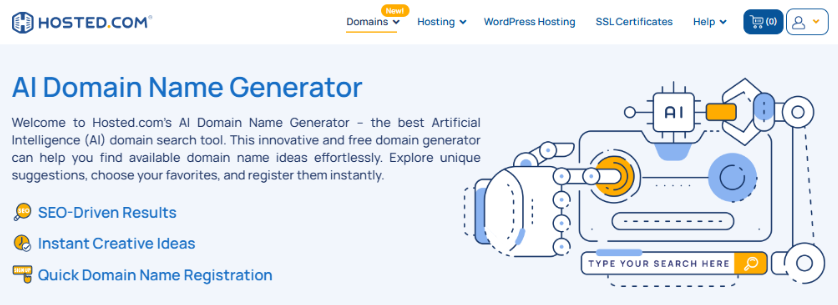
And, if you want to secure your domain with multiple domain extensions (a.k.a. top-level domains), you can use our Bulk Domain Registration Tool.

Once you have your domain(s), you can continue with building your fitness website. Here, you have 2 options to choose from:
- Website Builder
- WordPress
In this tutorial, we demonstrate the process using Hosted.com®’s website builder:
1. Create an account and choose a hosting plan that includes the website builder.

2. Pick a custom domain name (if you haven’t done so already) during checkout or connect one you already own.

3. Next, login to your control panel and open the website builder from your dashboard. If you’re not sure how to access it, you can refer to the following guide: How to Access Website Builder After Sign Up?
4. Select a fitness or wellness template that fits your brand. All templates are mobile-friendly and ready to customize. In our example below, we select the “Yoga Class” template.

5. Now, customize your design by adding your logo, updating fonts, changing colors, and adjusting the layout to match your brand style.

6. After that, add website pages, including:
- Home
- About
- Services
- Programs
- Contact
- Testimonials
7. Set up a booking or contact form using built-in form tools or embed third-party forms so clients can book sessions or reach out easily.

8. Now, use the store feature to add and sell fitness plans, eBooks, or merch. Add product names, prices, and payment options.

9. Fill in page titles, meta descriptions, and keywords to improve search engine visibility. To learn about what SEO features our website builder has, check out the following guide: What SEO Features does Website Builder have?
10. Lastly, preview to check how it looks on desktop and mobile. Test your forms, links, and buttons to ensure it all works.

11. Once everything is as you want it, click Publish to go live. Your fitness site is now ready for visitors.

Don’t forget to show off your work. Add a testimonials section, write a short bio, and include clear calls to action (e.g., Book a Session or Download a Plan). Keep your navigation simple so visitors can find what they need in just a few clicks.
Step 5: Develop Your Fitness Programs & Services
Now that your website is set up, it’s time to create the actual programs and services you will offer. This is where your fitness business truly comes to life.
To do this, decide on your core offerings first. You can build tiered programs for different levels, such as beginner, intermediate, and advanced. This way, clients can choose a plan that fits their current fitness level.
You can also design specialized tracks for specific groups, such as prenatal workouts for expectant moms or gentle movement programs for seniors.
Next, consider adding more value through additional services. Offer one-on-one coaching for clients interested in personalized support or set up group sessions for those who enjoy training with others. Both options can be done live or through pre-recorded videos.
To deliver your programs smoothly, consider using online tools specifically designed for fitness coaches. For example, Trainerize or MyPTHub applications make it easy to manage your fitness business in one place. You can share workout plans, track client progress, and communicate with them, all from a single platform
These tools make managing your programs easier and more professional.

You can also boost your offerings with other valuable services. Add nutrition coaching, run short wellness workshops, or provide downloadable resources (e.g., meal plans, progress charts, or workout calendars).
Additionally, selling fitness supplements or branded merchandise through your site is another great way to earn more and build brand loyalty.
Ensure every service you offer supports your main goal and helps people get healthier while your business gets stronger.
Build your online fitness business with everything you need in one place — Domain Registration, reliable Web Hosting, and create your site with our simple Website Builder.
Hosted.com® also offers professional email, free SSL, and expert support to guide you every step of the way.
Step 6: Market Your Online Fitness Business
You’ve built your programs, now it’s time to get people excited about them. This is where marketing comes in. It’s all about attracting the right audience, building trust, and turning interest into bookings. Let’s discuss how to make your fitness business visible and engaging.
Social Media
When you start an online fitness business, share your fitness journey on platforms your audience already uses. Post full workout videos on YouTube to build trust and show what you offer.
Share short, fun exercise clips or transformations on Instagram and TikTok to quickly grab attention. Use Pinterest to post infographics and Facebook to create a community page where people can follow your updates, join live sessions, and ask questions.
Show up often. Post consistently, even if it’s just a few times a week. Chat with your followers in the comments, go live to answer questions, and keep the conversation going. The more you engage, the more connected they’ll feel.
Content Marketing
Start a blog on your website. Write posts about fitness routines, meal ideas, recovery tips, or trending workouts. Use keywords that match what your audience is searching for so your blog appears on Google.
Get the most out of each post. Also use it as a short Instagram caption, a newsletter topic, or a talking point in a video. One blog can fuel your entire week of content across platforms.
Email Marketing
Build your mailing list early. Offer something valuable to encourage people to sign up. Once they join, stay in touch via email with useful content.
Send regular emails that share tips, announce new programs, or offer special deals. Keep it personal. Use their name, speak in your voice, and share things that matter to them. When your emails feel real, people read them.
Community Building
Build a space for your clients to keep them motivated. Create an accountability group on Facebook or WhatsApp where they can share highlights, ask questions, and cheer each other on.
Host online events, free workouts, mini challenges, or live Q&A sessions that keep the energy high. Add fun rewards, such as downloadable guides or shout-outs that make them feel valued. When people feel supported, they stay longer and recommend you to their friends.
Remember, your marketing doesn’t have to feel pushy. Just be present, stay helpful, and show up consistently. You’re not just selling workouts, you’re creating a space where people feel seen, supported, and ready to change.
Step 7: Grow and Scale Your Business
Once you start an online fitness business and it’s up and running, it’s time to think bigger. It’s time to grow. Growth doesn’t mean doing everything at once. It means building on what’s working and adding smart ideas that help you reach more readers.
Here’s how you can scale your business:
- Expand your offerings: If you already sell fitness programs, think about adding more products. You can sell branded merchandise, simple workout equipment, or even supplements that match your training style. These add-ons offer clients more ways to stay engaged with your brand.
- Sell everything directly through your website: With your ecommerce store in place, clients can shop all the time. Provide product images, prices, and clear descriptions. Set up payment options that are fast and easy to use. This keeps everything in one place and builds trust.
- Consider forming partnerships: Team up with others in the wellness space to offer something new. Consider running a fitness retreat, offering a joint nutrition and workout bundle, or creating an affiliate program to allow others to promote your services.
These strategic alliances open doors to new audiences. For example, if you team up with a yoga coach or a healthy snack brand, you’ll tap into their followers while offering more value to your own.
![Strip Banner Text - Register your domain, build your website, and host it all with Hosted.com®. [Learn More]](https://www.hosted.com/blog/wp-content/uploads/2025/07/start-an-online-fitness-business-02-1024x229.webp "Register your domain, build your website, and host it all with Hosted.com®")
DISCLAIMER:
Any pricing reflected on images is for demonstration/reference purposes only and may not display current pricing – please refer to the Hosted.com® website.
FAQS
Do I need fitness certifications to start an online fitness business?
You don’t legally need a certification to start, but having one builds trust and shows that you’re qualified. Consider certification through programs like ACE, NASM, or ISSA that improve your credibility.
Can I run everything from my phone or laptop?
Yes, you can manage your entire fitness business from a phone or laptop using tools for website management, email, video calls, and scheduling.
How do I stand out from other online fitness coaches?
Select a specific niche, share your story, and focus on solving one problem especially well. Consistent content, client results, and strong communication help build trust and make you stand out.
When I start an online fitness business, how do I find my first clients?
To find your first client, reach out to friends, family, or your local network. Share your services on social media, offer a free trial, or give away a simple workout plan to build trust and attract interest.
How should I price my fitness programs?
Consider what others in your niche charge and base your pricing on the value you provide. You can offer tiered pricing for different program types, such as group coaching, one-on-one training, or downloadable plans.
Other Blogs of Interest
– How To Secure A Website: Best Practices For Online Safety
– How to Migrate a WordPress Site to a New Host or Domain
– Domain Security: Best Practices
– Web Designer Vs Web Developer: Understanding The Differences
– What Is A Second Level Domain?
- About the Author
- Latest Posts

Chantél Venter is a creative writer, strategic thinker, and a serious gesticulator. She’s passionate about storytelling, small businesses and bringing color to the world – be it through her words or wardrobe.
She holds a four-year degree in Business and Mass Media Communication and Journalism. She’s been a copywriter and editor for the technology, insurance and architecture industries since 2007 and believes anybody can run a small business successfully. She therefore enjoys finding and sharing the best and most practical tips for this purpose.