


 Contact Support
 Sign In

If you’ve ever thought about turning your ideas into something wearable, now’s the time to start an online t-shirt business. In 2025, custom t-shirts are very popular because people want something that feels personal, fun, or bold. Whether it’s a cool design, a message they believe in, or something funny, there’s a big demand for it.
The good news is that starting an online t-shirt business is not that risky. You don’t need a big budget or a warehouse full of stock. With print-on-demand, you only print a shirt when someone buys it. And if you’re going big, bulk production gives you more control over quality and pricing.
This guide explains how to start an online t-shirt business in 10 steps. From picking your niche and creating your designs to setting up your online store and promoting it, we’ll cover it all. We’ll also answer common questions and help you avoid mistakes that slow you down.
KEY TAKEAWAYS
- Select a clear niche when you start an online t-shirt business, so your t-shirts connect with the right people.
- Study market trends to find what’s popular and what people are looking for.
- Hire a designer or use a design tool yourself to create fresh and original t-shirt designs.
- Choose between print-on-demand, bulk production, or dropshipping to run your store.
- Find reliable suppliers and ensure your shirts are of good quality and ship on time.
- Set up your online store using a trusted platform and ensure it’s easy to use.
- Price your shirts so they cover all costs and leave room for profit.
- Use SEO, blogs, social media, and email to attract people to your store and keep them returning.
- Offer fast support, track orders, and learn from customer feedback to keep improving.
- When you start an online t-shirt business, watch your numbers, test what works, add new products, and try new ways to sell your shirts.
TABLE OF CONTENTS
How To Start An Online T-Shirt Business
Step 1: Understand the T-Shirt Market
Before you start an online t-shirt business, it’s crucial to understand the market. You don’t want to create designs that no one is looking for. When you study the market, you learn what people like, what’s trending, and where your ideas fit in. It helps you build a brand that stands out.
Here’s what you need to do to understand your t-shirt market better:
CHOOSE A NICHE
First, select the right niche when you start an online t-shirt business. A niche is a specific group of people you’re creating t-shirts for. It could be fans of a particular hobby, those who care about the planet or people who love motivational quotes. The more focused your niche is, the easier it is to design t-shirts that speak directly to them.
Having a clear niche also makes your brand stronger. When people visit your store and see a clear theme, they’re more likely to trust it and purchase. It builds loyalty because your designs feel made just for them.
ANALYZE MARKET TRENDS
Once you choose your niche, take time to check current trends. For this, use Google Trends or check popular posts on Instagram, TikTok, and Pinterest. Look at what styles, colors, and phrases are doing well. This gives inspiration and ideas that are more likely to sell.
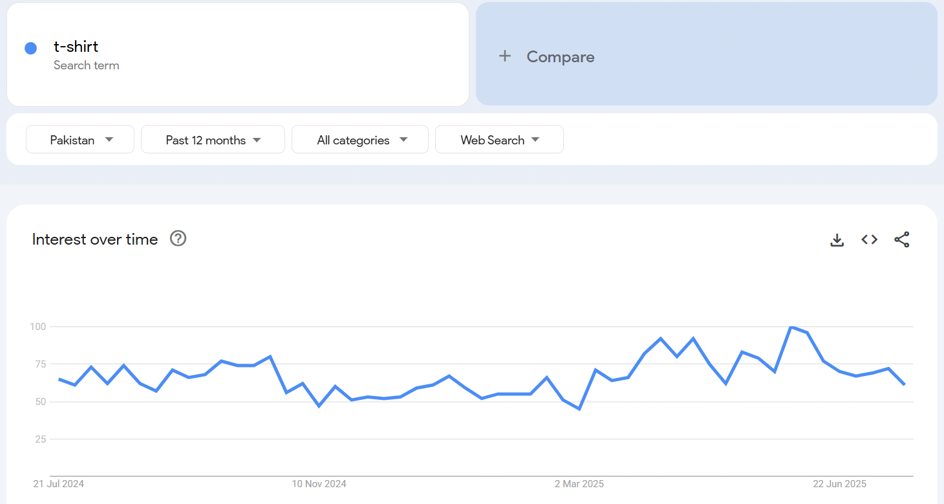
Also, try to spot seasonal trends, such as summer beach shirts or evergreen items that sell all year, like t-shirts with simple, positive quotes on the front. Remember, you don’t have to follow every trend, but being aware of them helps you decide what to design next.
ADOPT SUSTAINABILITY (IF RELEVANT)
If your target audience cares about the environment, consider using eco-friendly materials and methods. T-shirts made from organic cotton or recycled fabric are better for the planet and can be a huge selling point. You can also work with print-on-demand suppliers that use water-based inks or reduce waste.
Don’t forget to inform your customers about your green efforts. Add a short note on your website or product pages explaining why you use eco-friendly options. Being open about this can build trust and attract more buyers.
CONDUCT MARKET RESEARCH
Market research means learning more about your audience. You can run polls on social media, ask questions in Facebook groups, or look at Reddit threads to know:
- How people talk about t-shirts.
- What they look for when they choose t-shirts.
- Their complaints.
- Products they wish they had.
Also, check out your competitors. See which t-shirts are getting the most attention, what reviews say, and where their designs are lacking. This helps you discover gaps in the market and offer something fresh and better.
Step 2: Plan Your T-Shirt Business
Before jumping into design or setting up your store when you start an online t-shirt business, it’s important to build a solid t-shirt business plan. A clear plan will help you stay focused, track your progress, and avoid costly mistakes. It shows you where you’re going and how to get there, step by step.
SET SMART GOALS
These are the goals that are Specific, Measurable, Achievable, Relevant, and Time-bound. For example:
You might aim to start an online t-shirt business in 30 days.
OR
You want to make your first 100 sales in 3 months.
These short-term targets ensure you move forward without feeling overwhelmed.
You should also think about your long-term goals. Do you want to offer hoodies and hats later? Do you want to turn your side hustle into a full-time business? Setting these goals now helps you plan your budget, design process, and marketing well from the start.
DEFINE YOUR TARGET AUDIENCE
Next, decide on your audience. Who are you selling to? Try to map out details such as age, location, hobbies, and even why they might be interested in your shirts. Are they looking for gifts, personal style, or a way to express something they care about?
To learn more about your audience when you start an online t-shirt business, run surveys or ask questions in online groups. The better you know your buyers, the easier it is to create designs they will love and write messages that speak directly to them.
DEVELOP YOUR USP
Your USP is your Unique Selling Point. It’s what makes your t-shirt brand different from the rest. Maybe your designs feature hand-drawn art. Perhaps you use eco-friendly materials. Or maybe your t-shirts carry bold, funny messages that help people stand out.
Keep in mind that your USP shapes more than just your designs. It also affects how you price your t-shirts, how you write product descriptions, and even how you run ads. A strong USP makes people remember you, and that’s how your brand starts to grow.
Step 3: Create Your T-Shirt Designs
Once you’ve planned your business and identified your potential audience, it’s time to bring your ideas to life, which means creating designs for your t-shirts. These designs need to look good, feel fresh, and connect with your audience.
If you’re making your designs yourself, start with the right tools. Programs like Adobe Illustrator and Photoshop let you control shapes, fonts, and colors. However, if you’re new to design, Canva and GIMP are great free tools that are easier to use. Regardless of the tool you use, ensure you work in high resolution to ensure your t-shirts print clearly.
If you don’t wish to create designs, no problem. Hire a designer to create artwork for your shirts. To find the right talent, look on online platforms like Fiverr, Upwork, or Behance.
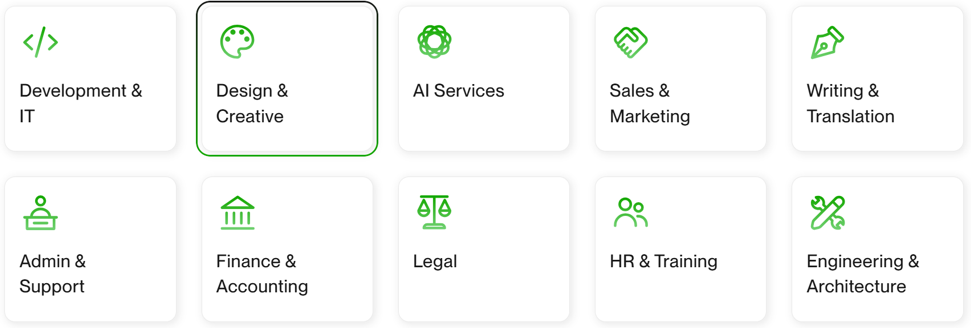
However, before hiring, always monitor applicants’ portfolios to ensure their work suits the look you’re going for. Ask questions and share your ideas clearly so they know exactly what you want.
When creating designs, aim for something fresh and original. Try mixing trends with your ideas so your shirts stand out. Some designs follow seasonal trends, while others stay popular year-round. It’s smart to balance both.
Also, don’t replicate anyone’s work. Ensure your designs are original. Don’t break copyright rules or use trademarked content. This keeps your business secure and professional.
After your design is ready, you’ll need to create mockups. These are preview images that show how your design looks on a t-shirt. Tools like Placeit and Printful make this simple. Try different t-shirt styles, colors, and models so buyers can see what they’re purchasing.
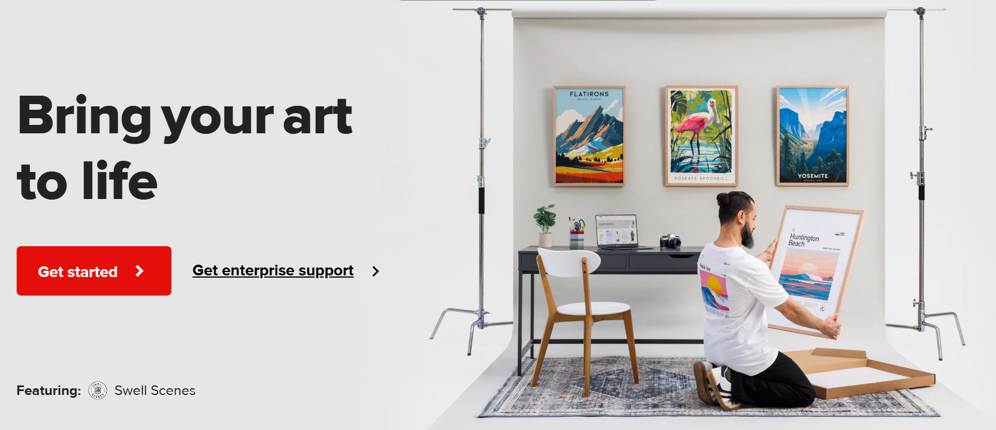
TIP: Before you start selling, share your mockups online to receive feedback. Post them on Reddit, Instagram, or inside niche communities. Ask people what they think. Do they like the color, the message, or the style? This step helps you improve your designs before launch and shows you what may sell best.
Step 4: Choose Your Sales Model
Now that your designs are ready, it’s time to decide how you’ll sell your t-shirts when you start an online t-shirt business. You don’t need to own a factory or rent a warehouse to get started. There are several simple ways to run your t-shirt business online, and each has its pros and cons. Let’s break down your main options:
PRINT‑ON‑DEMAND
Print-on-demand, or POD, is one of the easiest ways to start an online t-shirt business. Here’s how it works:
- Someone orders a shirt from your store.
- The POD service prints it and ships it for you.
You don’t have to keep any inventory or spend money upfront on stock.
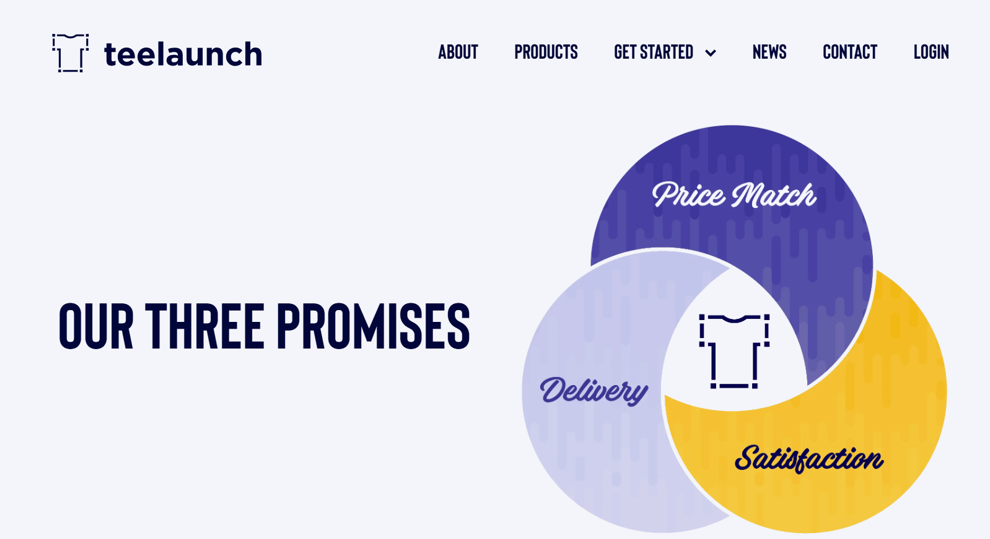
This model is great if you’re just starting or wish to test different designs. You only pay for what you sell, so there’s not much risk. The Platform TeeLaunchlets you connect your store and handle everything from printing to delivery.
BULK PRODUCTION AND INVENTORY
If you want more control over quality and pricing, bulk production may be a better fit. This means you order a batch of t-shirts in advance, store them yourself, and ship each one as orders come in.
Buying in bulk means a lower cost per shirt, which can boost your profit. But you’ll also need to spend money upfront and find space to keep your stock. There’s also a small risk that some designs won’t sell as expected, so it’s best to start small and grow slowly.
THE DROPSHIPPING OPTION
Another option to start an online t-shirt business is dropshipping, which is similar to POD, but provides a variety of products. You can partner with a supplier who handles everything after a customer makes an order. You don’t need to print the shirt yourself or deal with shipping.
With dropshipping, it’s important to choose a reliable supplier. If they’re slow or send low-quality products, your customers will blame you. So, if you’re considering selecting this option, ensure you look for suppliers offering smooth integration with your online store that have good reviews.
Each sales model works differently, so choose the one that fits your budget, time, and goals. You can even mix them. For example, start with POD, and once you know what sells, try bulk orders for your best designs.
Step 5: Choose Suppliers and Manage Production
Once you’ve picked your sales model, it’s time to choose your suppliers and handle production. Good suppliers help your t-shirts look great and arrive on time. However, poor choices can harm your brand, so this step is the key to maintaining a smooth business operation.
PRINT-ON-DEMAND PROVIDERS
If you’re using print-on-demand, compare a few top providers. Some popular services are:
- Printful
- Printify
- Teespring
They allow you to upload your designs, pick shirt styles, and connect directly with your online store.
When choosing a provider, consider more than price. Check their print quality by ordering samples. Also, check their shipping speed and location. Some ship faster in the US, while others serve international customers better.
Ensure their platform integrates smoothly with your ecommerce site, so orders flow automatically.
WHOLESALE BLANK SHIRTS
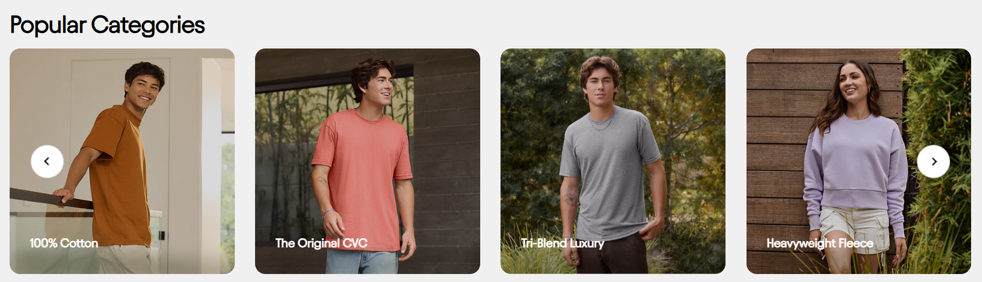
If you’re using bulk production, you’ll need blank t-shirts to print on. Look for suppliers that offer trusted brands, fabric quality, and fair pricing. Websites like Bella+Canvas, Gildan, and Next Level Apparel have large selections.
Compare pricing by quantity. Some suppliers offer discounts for bigger orders. Don’t forget to check sizing charts, fabric blends, and available colors. Test a few t-shirts before making a large purchase to ensure they meet your standards.
FULFILLMENT AND SHIPPING
Once you have your t-shirts, you need to get them to your customers. You can do this yourself or use a fulfillment service. Self-fulfillment involves you packing and shipping each order, which works well if you’re starting small.
However, for larger volumes, a 3PL (third-party logistics) company handles this for you. They store your shirts, pack orders, and ship them out. Here, you need to compare shipping costs, delivery times, and the effectiveness of their order tracking. Fast, reliable shipping keeps your customers happy and builds trust.
RETURN AND EXCHANGE POLICIES
When you start an online t-shirt business, returns are very much a part of it. To handle this effectively, create a clear return and exchange policy that’s easy for customers to understand. Explain what they can return, how long they have, and who pays for shipping.
Use returns as feedback. If many people send back the same item, there may be an issue with the design, size, or print quality. In this case, it’s crucial to address these issues fast, to enhance customer satisfaction and minimize future returns.
Step 6: Set up Your Online Store
Now that your t-shirts are ready and you’ve chosen your sales model, it’s time to set up your online store. Your store is where people will browse, shop, and learn more about your brand. Here’s how you can create your online store:
PICK AN ECOMMERCE PLATFORM
First, choose a platform to build your store. Before you do this, consider how much control and flexibility you need. If you want full control over design and features, WordPress with WooCommerce is a great choice.

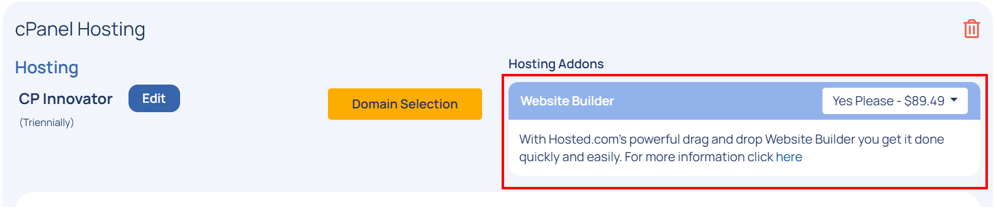
However, we also offer a drag-and-drop Website Builder as part of our cPanel Web Hosting plans, making it easy to build a website with fast store setup and budget-friendly pricing.
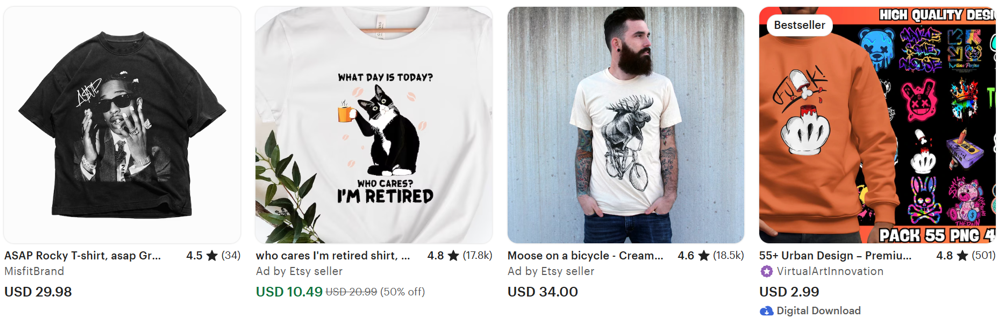
Additionally, you can also use Etsy if you want to sell to an existing audience and don’t want to build a full site yet.
TIP: When choosing an ecommerce platform, consider your budget, your design skills, and the amount of control you want. Some platforms charge monthly fees while others charge transaction fees. Pick what fits your needs now and can grow with you later.
CHOOSE DOMAIN NAME & HOSTING
Your domain name is the name of your online store. Pick something short, easy to spell, and connected to your brand. Try to get a .com if possible, as it’s easier for people to remember.
Read our guide below on how you can register your desired domain with us:
How to Register a Domain with Hosted.com®
You can also use our AI domain generator tool to quickly find smart, brandable domain name ideas that match your t-shirt business:

Regarding hosting, select a service that offers fast load times, strong security, and great customer support. If you’re using WordPress when you start an online t-shirt business, look for hosting that works well with WooCommerce. A slow or unreliable site can turn visitors away before they even see your products.
DESIGN YOUR SITE
When you start an online t-shirt business, your website design matters. Start with the basics:
- A Homepage that shows what your brand is about.
- Product pages with clear photos.
- An easy-to-find Contact page.
- An About page that shares your story.
- Comprehensive FAQ page to answer common questions.
If you sign up with our website builder, you receive 200+ ready-made templates to build your site fast. If you want something unique, consider hiring a web designer to assist you.

ADD STORE FEATURES
Now, add the tools your customers need to shop with ease. Each product page should include high-quality images, size guides, and clear pricing. Ensure your cart and checkout process are simple and secure.
Then, set up payment gateways (e.g., Stripe or PayPal) so buyers can pay safely.
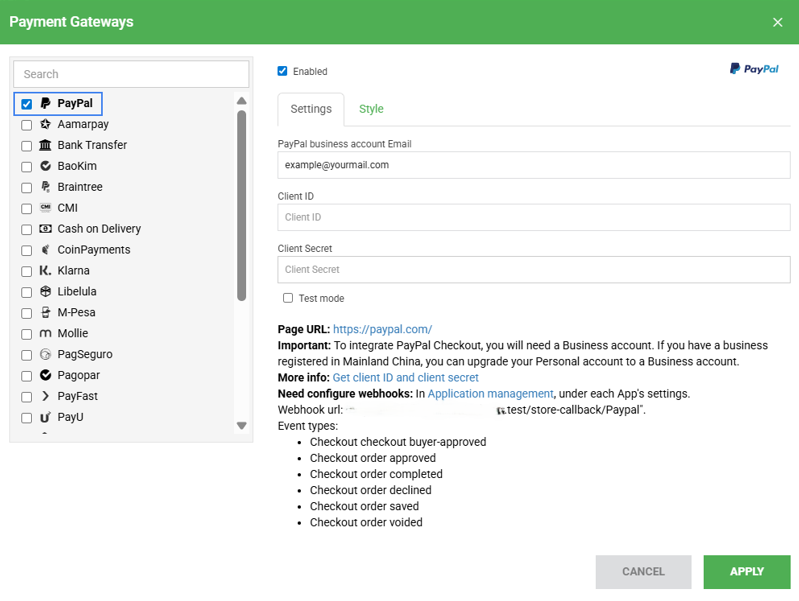
If you’re using print-on-demand, connect your POD provider to your store. This way, orders are sent to the printer automatically once a customer purchases an item.
Step 7: Price Your T-Shirts
Setting the right price for your t-shirts plays a significant role in your success when starting a t-shirt business. If your price is too low, you could lose money. If it’s too high, potential buyers may walk away. The key is to find a price that covers all your costs and still leaves room for a solid profit.
To do this:
- Start by adding up everything it takes to make and sell one t-shirt. This includes production, printing, packaging, shipping, and even marketing. Don’t forget transaction fees from your payment processor and any monthly platform or app charges.
- Once you know your full cost per t-shirt, it’s time to add a markup. Most t-shirt businesses go with a 50% to 70% markup. So, if one shirt costs you $10 to make, you can sell it for $20 to $25 so your business is profitable while still offering a fair price to customers.
- You should also leave some room in your pricing for sales and promotions. Discounts can help attract more buyers, especially during holidays or slow seasons. You might run a buy 2, get 1 free offer or give coupon codes to email subscribers.
Just ensure your final prices still cover your costs, even when a sale is running.
Step 8: Market and Promote T-Shirt Business
Once you successfully start an online t-shirt business, it’s time to let the world know about your brand. Here, marketing helps you reach new people, bring them to your store, and turn them into loyal buyers.
Here’s what you need to do to advertise and promote your t-shirts:
- SEO: This helps people find your store on Google. Begin with keyword research using Google Keyword Planner or Ubersuggest to find terms people search for, such as “funny t-shirts 2025, or “organic cotton tee”. Then, use these keywords in your product titles, page descriptions, image alttext, and blog posts. Don’t overdo it, just write in a way that feels natural and clear.
- Content Marketing: Creating helpful content brings more visitors to your site. Start a blog and write posts about fashion tips, design ideas, or the story behind your brand. You can also work with other bloggers or sites to share your content and build backlinks.
- Social Media Marketing: Use Instagram, TikTok, and Pinterest to display your shirts. You can post photos, videos, and behind-the-scenes content. Reels and short clips are effective in grabbing attention. Encourage satisfied buyers to tag you in their photos so you can repost them.
- Paid Advertising: If you want to reach people fast, try paid ads. You can run ads on Google, Facebook, or Instagram. Focus on targeting the right people who are likely to like your niche or style. When running paid ads, start with a small budget and test what works best.
- Email Marketing: It is a great way to stay in touch with your audience. Offer a discount or freebie in exchange for their email address. Then, use this mailing list to send updates, product launches, and reminders about items left in the cart. Keep your emails simple, friendly, and helpful.
Remember, a strong marketing plan can help when you start an online t-shirt business to ensure it grows. Whether you’re sharing your story on social media, or sending out weekly emails, every message should connect with your audience.
Build a craft blog business with everything you need in one place — Hosted.com®’s , paired with fast Web Hosting, built-in security, and powerful eCommerce tools, makes it easy to launch your t-shirt store. You can go live and be selling without touching a single line of code.
Step 9: Manage Operations & Customer Service
Once your store is live and orders start coming in, it’s important to manage everything smoothly. Happy customers are more likely to return, leave reviews, and recommend your brand. So, the way you handle orders and support can make a huge difference.
ORDER TRACKING
Customers want to know where their order is and when it will arrive. To facilitate this, set up automatic tracking updates. Most ecommerce platforms and print-on-demand services have built-in tools that send tracking numbers to customers when their order ships.
You can also use third-party apps or plugins to keep everything in one place. Clear updates help build trust and reduce the number of “Where’s my order?” emails.
CUSTOMER SUPPORT
Offer simple, fast support. At the very least, ensure customers can contact you by email. If possible, include live chat on your site for quicker assistance. A helpful FAQpage can also answer common questions without requiring a response every time. Use a friendly tone, even when solving problems. A quick and kind response can turn an upset customer into a loyal one.
USE CUSTOMER FEEDBACK
Ask your customers to leave reviews or share photos wearing your shirts. This builds social proof and helps new visitors feel confident about purchasing.
Pay attention to what people say in reviews and emails. If several customers mention sizing issues or delayed shipping, it’s time to fix the problem. Their feedback helps you improve your products, support, and store experience.
Step 10: Monitor & Scale Your Business
As your t-shirt business grows, check what’s working and what needs improvement. By tracking the right data and making smart updates, you can turn a small online store into a steady, long-term income stream.
Start by keeping track of key metrics, such as conversion rates and average order value (AOV). These performance metrics help you understand how your store is performing.
It’s also a good idea to check your ad return on investment (ROI) to see if your paid promotions are profitable. You can use built-in tools from your ecommerce platform or connect Google Analytics to get more detailed insights.
Once you have the data, use it to make better decisions. If you notice certain ads are attracting more customers, shift your budget to those. If a specific product is selling better than others, consider promoting it more or designing similar items.
You can also test various ways to improve your website. To do this, try making it faster, simplifying the checkout process, or updating your product images to increase conversions.
When your original t-shirts start selling well, consider adding more products to your store. Hoodies, tank tops, hats, and tote bags are great additions. You can reuse your current designs or create new ones depending on what your customers are asking for. Expanding your product line helps keep your store fresh and gives shoppers more reasons to come back.
To grow, look beyond your website. Platforms like Amazon, Etsy, and eBay can help you reach additional customers. You can even sell your t-shirts at local pop-up shops, craft fairs, or community events. The more places you sell, the more people will see your brand.
Remember, managing and scaling your business takes time and effort, but it pays off. So, stay organized, listen to your customers, and always be ready to improve. That’s how small shops grow into successful brands.
![Strip Banner Text - Launch your online t-shirt brand with 200+ templates and built-in eCommerce tools. [Build Now]](https://www.hosted.com/blog/wp-content/uploads/2025/08/start-an-online-t-shirt-business-02-1024x229.webp "Register your domain, build your website, and host it all with Hosted.com®")
DISCLAIMER: Any pricing reflected on images is for demonstration/reference purposes only and may not display current pricing – please refer to the Hosted.com® website.
DISCLAIMER: Any views & opinions stated are expressly those of the author and do not represent the company, its staff or 3rd party suppliers in any way whatsoever.
FAQS
Do I need a business license to start an online t-shirt business?
It depends on where you live and how you plan to run your business. In many cases, you can start as a sole proprietor without a license, but it’s best to check your local laws. As your store grows, you may want to register your business officially for legal protection and tax purposes.
How can I ensure my t-shirt designs don’t get copied?
You can protect your original designs by adding copyright or trademark protection, depending on your country’s laws. Also, watermark your mockups and avoid sharing high-resolution design files publicly. Remember: No system is perfect, so staying creative and original is key.
How long does it take to start making sales?
Some people make their first sale in a few days, while others take weeks or months. It depends on your designs, how well you market them, and the amount of effort you put in. Focus on promoting your brand consistently, learning what your audience wants, and adjusting your strategy as you grow.
Can I use free images or designs from the internet on my shirts?
No, using images you found online can lead to copyright issues. Always create your designs yourself, or use artwork that’s licensed for commercial use. You can also buy designs from trusted graphic artists or design marketplaces.
Do I need to promote every product I sell?
Not necessarily. Start by promoting your best-selling or most unique designs. As your store grows, you can test ads or posts for different products to see which ones get the most attention.
Other Blogs of Interest
– How to Promote Your Website: Effective Strategies for Traffic Growth
– How To Create A Stunning Freelancer Portfolio Website
– Understanding WordPress User Roles: A Guide for Website Owners
– SSL Connection Error? What It Is And How To Fix It
– Best Cheap Website Builder For Small Businesses
- About the Author
- Latest Posts

Rhett isn’t just a writer at Hosted.com – he’s our resident WordPress content guru. With over 7 years of experience as a content writer, with a background in copywriting, journalism, research, and SEO, and a passion for websites.
Rhett authors informative blogs, articles, and Knowledgebase guides that simplify the complexities of WordPress, website builders, domains, and cPanel hosting. Rhett’s clear explanations and practical tips provide valuable resources for anyone wanting to own and build a website. Just don’t ask him about coding before he’s had coffee.