


 Contact Support
 Sign In
A lifestyle blog is your own corner of the internet where you share the things you enjoy and the moments that shape your day. It’s a space to be creative, connect with others, and, if you stay consistent, even turn your writing into earnings.
This guide explains what lifestyle blogging really means, how to choose your focus, setup your site using a Website Builder, grow an audience, and keep moving toward long-term success. You also discover some essential tips that beginners should consider when starting a lifestyle blog.
KEY TAKEAWAYS
- Choose a clear focus for your blog to stand out, even if you plan to cover different themes later.
- A simple and memorable name, preferably with a .com domain, makes it easier for readers to remember and trust your blog.
- WordPress with reliable hosting provides control, flexibility, and better options for long-term growth.
- Writing pillar posts and using a conversational tone builds trust and explains what your blog is about to readers.
- Good visuals and alt text make your content engaging and improve SEO.
- SEO basics, including keyword research, optimized titles, and internal links, help search engines send traffic to your site.
- Sharing content on Pinterest and Instagram can attract new readers, while an email list keeps them returning.
- Monetization works best when you combine income sources such as affiliate links, ads, digital products, and sponsored posts.
- Consistency and quality matter more than quantity. Regular, helpful content builds authority and trust.
- Studying successful bloggers shows that patience, authenticity, and focus are key to long-term success.
- Blogging takes time, usually six to 12 months to see steady results, so patience and persistence are essential.
TABLE OF CONTENTS
What is a Lifestyle Blogger?
A lifestyle blogger is someone who shares parts of their everyday life through stories, advice, and personal experiences. Instead of focusing on just one subject, they often write about different topics that matter to them. This makes their blogs more personal and relatable.
When you start a lifestyle blog, the themes can vary a lot. Some people write about health and fitness, while others focus on food and dining out, travel, parenting, fashion, or home decor. Many bloggers mix several of these, which keeps their content fresh and interesting for readers.
What sets lifestyle bloggers apart from niche bloggers is flexibility. A niche blog focuses on a single subject, such as a recipe blog or travel blog. A lifestyle blog includes several subjects, reflecting the blogger’s personality and daily life. This mix allows readers to see different sides of the writer, which creates a closer connection.
The reason lifestyle blogs work so well is simple. People enjoy following real stories. Readers want to see how someone else lives, learns, and grows. Remember, authentic voices stand out more than generic information, and that’s why lifestyle bloggers often build strong, loyal audiences over time.
How to Start a Lifestyle Blog
In this section, we give you eight steps to start a lifestyle blog.
Step 1: Choose Your Unique Angle
Lifestyle blogging gives you the freedom to cover many topics, but that same freedom can also make it hard to stand out. To build a blog that attracts the right readers, it’s essential to define a precise angle. This doesn’t tie you down forever, but it gives your blog a strong identity.
The best angle is one you can sustain over time. To find that, ask yourself what you love talking about and what you won’t get tired of writing. Passion in a subject makes it easier to stay consistent, and consistency is what helps a blog grow.
Before you decide what content to write about when you start a lifestyle blog, take a step back and ask three key questions:
- Can I see myself writing about this topic for years?
- Are people really interested? Do they search for this subject online or ask questions about it?
- Can I make money from this niche through affiliate links, digital products, or services?
If the answer to all three is YES, you’ve found a strong direction.
Some good starting points include a mom’s life, eco-friendly living, student routines, or budget travel. Each of these areas has a clear audience and lots of room for creative content. Choosing a unique angle at the start gives your blog focus, while still leaving space for you to expand later.
Step 2: Pick a Name That Resonates
Your blog’s name is often the first thing people notice, so it needs to leave a strong impression. A short, simple, and easy-to-spell domain name works best because readers can remember it easily and type it without mistakes.
If possible, go for a .com domain. It’s the most trusted extension online and the one most people will type by default. Even though newer options, such as .blog or .online, exist, .com still carries the most credibility and helps readers recall your site more easily.
Additionally, try choosing a name that hints at your theme but doesn’t box you in. For example, if you start a blog about healthy meals, avoid names that only tie you to recipes. A slightly broader name lets you expand into fitness, wellness, or lifestyle content later.
Once you find your name, register it as soon as possible.

Expert Tip: Say your blog name out loud. If it sounds smooth and natural, you’ve likely picked a winner. If it feels awkward or hard to pronounce, it may confuse readers. A name that’s easy to say, spell, and share will help your blog grow faster.
Step 3: Setup Your Blog Foundation
Before you start publishing posts, build a strong base for your blog. The platform you choose will affect the amount of control you have and how easy it is to grow your blog in the future.
Here you get two options:
For this tutorial, we’ll use the website builder. It’s the top choice for most bloggers because it’s flexible, SEO-friendly, and gives you full ownership of your site.

Unlike free platforms, it allows you to customize as your blog grows, but builders set a ceiling on how far you can go. That’s why we recommend considering WordPress hosting if you want complete control over customization and scalability.

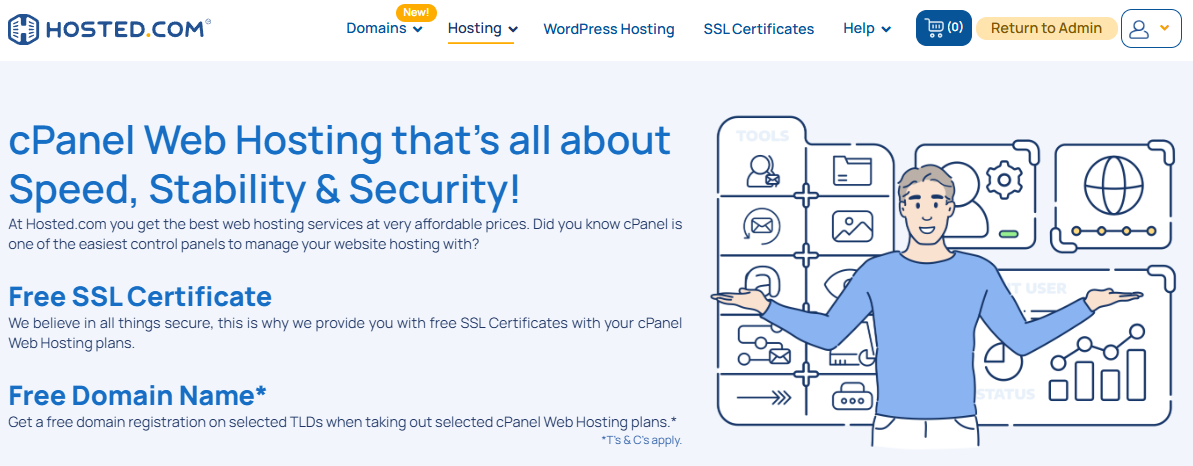
Next, your hosting plan is just as important. A reliable hosting provider keeps your site online, loads your pages quickly, and protects your content. Even though cheaper plans look tempting, the cost of frequent downtime or losing your work can be far higher. Hosting is the foundation that holds your blog together, so don’t cut corners.
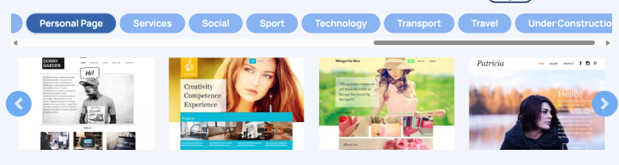
Then comes your template. A responsive, mobile-friendly template ensures your blog looks good on every screen size. Go for a clean design that reflects your personality and simplifies navigation for readers. A cluttered or outdated design can deter visitors, even if your content is great.
Finally, add essential features to protect and optimize your blog. To do this, we provide drag-and-drop widgets to add required functionality. Once you’re done, preview your site to check everything is working, then publish it to make it live.

Step 4: Start Creating Valuable Content
Once your blog is set up, the next step is creating content that truly matters to your readers. A good place to start is with pillar posts. These are long, detailed articles that explain the blog content, and the value readers can expect from it. They serve as the foundation of your site and give new visitors a clear idea of your purpose.
Here are four strong pillar post ideas for a beginner to start a lifestyle blog, written to attract readers and set up your authority:
- “My Story: Why I Started This Blog & What You’ll Find Here”
- A personal introduction that explains your journey, your values, and what topics you’ll cover. It helps readers feel connected from the start.
- “The Beginner’s Guide to [Your Chosen Angle]”
- Example: The Beginner’s Guide to Healthy Living on a Budget or The Beginner’s Guide to Solo Travel. This type of post is evergreen and shows you are a helpful resource.
- “10 Simple Habits That Changed My [Lifestyle Theme]”
- A list post that blends personal experience with practical tips. Example: if your focus is wellness, you might share 10 Habits That Improved My Mental Health.
- “Essential Resources for [Lifestyle Angle] Beginners”
- A curated guide that shares tools, apps, books, or products you use and trust. This can later be tied to affiliate links for monetization.
When you write, keep a conversational, real tone. Readers connect better when your words sound like a friendly chat, rather than a lecture. Remember, authentic writing builds trust, which is key if you want visitors to return.
Don’t overlook visuals. High-quality photos, infographics, or simple graphics can make your posts more engaging. Adding alttext to every image helps with accessibility and boosts your SEO by describing your visuals to search engines.
Finally, keep a healthy mix in your content strategy when you start a lifestyle blog. Write evergreen guides that stay useful for years and balance them with personal stories that show your personality. This mix helps you inform your audience, while also building a personal bond, which is what lifestyle blogging is all about.
Step 5: Build Traffic with SEO & Promotion
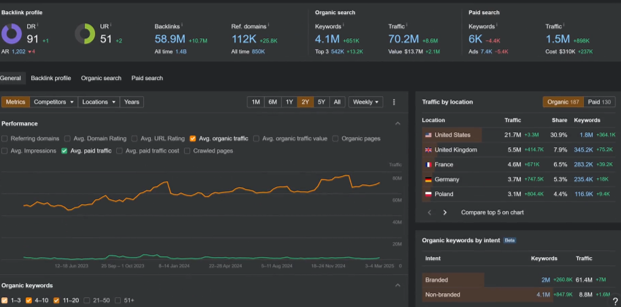
Once you’ve started posting, the next big step is getting people to find your blog. This is where Search Engine Optimization comes in. Begin by doing keyword research to learn what your audience is searching for. To do this, you can use several keyword research tools, including the two popular ones, UberSuggest and Ahrefs.
Then, use those keywords naturally in your titles, headers, and throughout your posts. Don’t forget to write clear meta descriptions and link to your own articles within your blog. This helps search engines understand your site and keeps readers exploring more of your content.
Promotion is just as important as writing. Remember one thing when you start a lifestyle blog: the content will do especially well on visual platforms like Pinterest and Instagram. Both give you the chance to share eye-catching images and drive new visitors back to your blog. A single well-designed pin or reel can send traffic for months.
Building connections with other bloggers can also boost your reach. You can guest post on their blogs, exchange backlinks, or join active blogging communities. These networks often attract new readers and provide support and ideas.
Finally, don’t wait to set up your email list. Even if you only have a few subscribers at first, a mailing list is one of the most reliable ways to stay in touch with readers. A simple sign-up form and a welcome email can turn casual visitors into long-term followers who return to your blog several times.
When you start a lifestyle blog, it deserves a strong and reliable foundation that helps it grow. Hosted.com® gives you everything you need, including lightning-fast Web Hosting, daily backups, professional support, built-in SEO tools, and an easy Website Builder, so you can focus on creating content and building your brand.
Step 6: Monetize Your Blog Thoughtfully
Once your blog starts attracting readers, consider how to convert that traffic into income. There are many ways to earn, but the most common include:
- Affiliate links.
- Display ads.
- Sponsored posts.
- Selling eBooks or courses.
- Offering coaching services.
Each stream works differently, so it’s best to use a few rather than depend on just one.
The numbers show that blogging can be profitable, but it takes time and effort. Many blogs earn anywhere from $1,000 to $50,000+ per month, though reaching that first $1,000 often involves having at least 100 quality posts published.
According to Ben Keller from SurgeGraph on May 29, 2025, beginner blogs with 0–10K visitors usually earn $100-$1,000 per month, while established blogs with 50K–100K visitors attract in $5,000-$20,000+ monthly. On average, blogs with 1,000+ posts earn around $7,980 per month as of 2025.
Affiliate marketing is also one of the most powerful income sources for lifestyle bloggers. At the start, most affiliates earn only a little, but top performers can reach $10,000-$100,000+ per month. Data shows that 57% of affiliates earn under $10,000 per year, while 15% make between $80K and $1M annually. These numbers show that growth is possible, but it requires patience and the correct strategy.
Once you start a lifestyle blog, it’s important not to rely on just one source of income. Ads might pay well one month and less the next, while brand sponsorships may not always be available. By combining affiliates, ads, and your own digital products, you build a more stable and reliable income stream.
Expert Tip: Keep your blog authentic by only promoting products or services you personally trust. Readers value honesty, and if they feel you’re recommending something just for money, they’ll lose confidence in your content. Staying genuine not only helps you earn but also builds long-term loyalty with your audience.
MONETIZATION PLAN
Here’s a step-by-step monetization plan designed for beginners who want to start a lifestyle blog, broken into stages so it feels realistic and doable:
Months 1-6: Build Your Foundation
- Focus on content first: Aim to publish at least 20-30 solid posts. These should be a mix of evergreen guides, personal stories, and list posts that answer common questions in your niche.
- Set up SEO basics: Do keyword research, optimize titles, and link your posts together. This helps your blog get noticed on Google Search.
- Start growing your email list: Even a simple sign-up form with a freebie (like a checklist or mini guide) can help you collect subscribers early.
- Experiment with affiliate links: Add these naturally into helpful posts (for example, recommending a product you already use). At this stage, don’t expect big earnings, but you’ll learn what works.
Months 6-12: Grow Traffic & Test Income Streams
- Increase posting frequency: Aim for one to two posts per week so search engines and readers see your blog as active.
- Promote on social media: Use Pinterest and Instagram to drive traffic. These are strong visual channels for lifestyle bloggers.
- Add display ads (if traffic allows): Once you reach 10K monthly page views, consider applying for ad networks like Ezoic or Mediavine Lite. Even small amounts build momentum.
- Test sponsored posts: Reach out to small brands in your niche or sign up on influencer platforms. Even one or two paid collaborations will provide experience.
Year 2 and Beyond: Diversify and Scale
- Launch your first digital product: This could be an eBook, a printable planner, or a mini course. Products let you earn even when you’re not posting.
- Expand affiliate marketing: Write in-depth product reviews, create comparison posts, or publish “Best of” lists that can rank well on search engines.
- Grow your email funnel: Send regular newsletters and create automated sequences that introduce readers to your best posts, products, or affiliate offers.
- Aim for premium ad networks: Once your traffic passes 50K–100K page views, you can apply to Mediavine or AdThrive, which pay much higher than entry-level ad platforms.
- Explore services or coaching: If your blog builds authority, you can offer 1:1 coaching or consulting in your niche for more income.
This is just a sample roadmap for beginners who want to start a lifestyle blog. This staged approach keeps things realistic: start by building trust and content, then layer on income streams one by one as your audience grows.
Step 7: Scale with Consistency and Quality
Once your blog is running smoothly, the next step is scaling it. The simplest way to grow is through consistency. Blogs that post on a regular schedule, whether that’s once a week or twice a month, gain authority faster. Readers know when to expect new content, and search engines reward active sites.
Growth isn’t only about posting more. Quality should always come first. A single well-researched, helpful article will do far more for your blog than several rushed posts. Aim to solve your readers’ problems, answer their questions, and keep your writing clear and engaging.
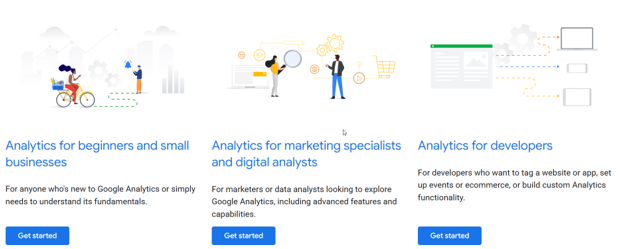
As your blog grows, it’s important to track what’s working. Here, Google Analytics and Search Console tell you which posts attract the most traffic, and which ones require improvement. Update older content, add new details, or improve formatting, so every post remains valuable over time.
Finally, keep learning. SEO changes often, and audience preferences shift, too. Keep updated on trends in content marketing, social platforms, and search algorithms. The more you adapt, the stronger your blog will become in the long run.
Step 8: Learn from Successful Bloggers
One of the best ways to grow as a lifestyle blogger is to study those who have already succeeded. Many bloggers have turned their personal websites into full-time income sources, and their journeys can teach you valuable lessons.
When you monitor them, a few themes will be noticeable. Success takes patience; you won’t see results overnight. Staying authentic is just as important because readers can tell when you’re being genuine. Carving out a clear niche, even within lifestyle blogging, also helps you stand out from the crowd.
There are plenty of ways to learn from others. Case studies often show the exact steps bloggers took to grow their sites. Interviews and podcasts can give you behind-the-scenes insights that you might not find anywhere else. These stories are inspiring, and they are practical guides for your own path.
Most importantly, real success stories prove that growth is possible. If you use consistent effort, keep learning, and stay true to your style, your blog can grow from a small personal project to something that reaches thousands of readers and creates a steady income.
Here are a few real-life lifestyle blogs that beginners can look to for inspiration when you start a lifestyle blog:
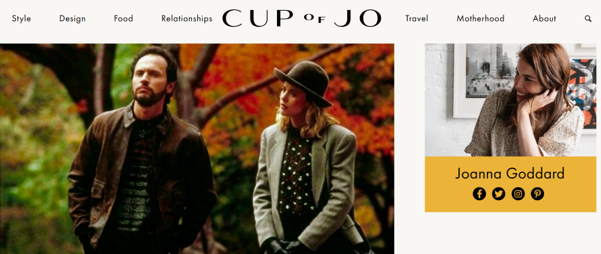
Cup of Jo: Started as a hobby blog by Joanna Goddard, it now covers motherhood, fashion, food, relationships, and design. It attracts millions of readers each month and earns through ads, sponsored content, and brand collaborations.
Wit & Delight: Founded by Kate Arends, this blog focuses on design, personal style, and mental health. It stands out for its authenticity and strong voice, showing how lifestyle blogging can mix business with personal growth.

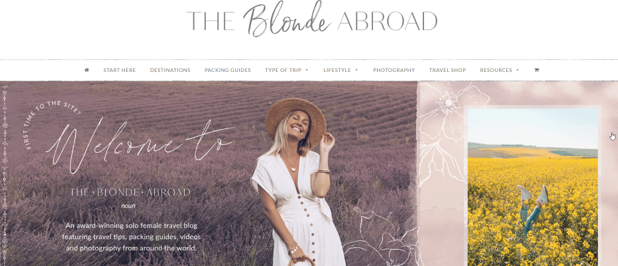
The Blonde Abroad: Run by Kiersten Rich, this blog began as a solo travel journal and transformed into a leading travel and lifestyle brand. It’s known for its stunning photography, guides, and affiliate-driven content.
Essential Tips for Beginners
When you start a lifestyle blog, it’s easy to feel like you need to cover everything at once. The truth is, you’ll grow faster if you start small. Pick two to three themes that excite you most, like travel, food, or personal growth. Once you’re comfortable, you can expand into new areas.
Building a blog isn’t just about writing; it’s also about creating relationships. Connect with your readers by replying to comments and emails. You can also engage with other bloggers through guest posts, collaborations, or social media groups. These connections help you learn and can attract more people to your site.
Remember that blogging is a skill you’ll improve over time. The more you write and experiment, the better you’ll get. Constantly update your knowledge about SEO, web design, and online marketing basics. Even small changes, like optimizing your titles or improving your layout, can make a difference in how readers interact with your blog.
Finally, be patient. Most blogs take six to 12 months before they see steady traffic or income. Don’t get discouraged if results are slow at first. Use this time to create valuable content, build trust, and lay down a solid foundation for long-term growth.
![Hosted.com® offers an easy-to-use Website Builder and SEO-friendly tools built in. [More Info]](https://www.hosted.com/blog/wp-content/uploads/2025/09/start-a-lifestyle-blog-02-1024x229.webp "Hosted.com® offers an easy-to-use Website Builder and SEO-friendly tools built in. [More Info]")
Find the Perfect Domain Name – AI Domain Name Generator
VIDEO: How to Find the Perfect Domain Name – AI Domain Name Generator
FAQS
What’s the difference between a lifestyle and a personal blog?
A lifestyle blog focuses on themes and topics that appeal to a wider audience, such as health, travel, or fashion. A personal blog is usually more like a diary, centered on the writer’s daily life and thoughts. Lifestyle blogs often combine personal stories with helpful tips that readers can use in their own lives.
When I start a lifestyle blog, should I separate personal stories from informational posts?
You don’t have to. Many successful lifestyle blogs blend both. Sharing your own experiences makes your advice feel authentic, while informational posts provide value. The balance between the two depends on your style and what your audience responds to best.
How often should I update old blog posts?
Plan to refresh your older posts at least once or twice a year. Updating stats, fixing broken links, and improving SEO keywords help your content stay relevant and competitive in search results.
When I start a lifestyle blog, do I need a content calendar?
Yes, a simple content calendar helps you stay consistent. It doesn’t have to be complicated; just outline the topics you’ll cover each month. This keeps you organized, reduces stress, and ensures you are covering a healthy mix of evergreen posts and seasonal content.
How do I balance covering multiple topics without confusing readers?
Choose two to three core themes and stick to them consistently. You can still add variety, but having main categories (for example, food, travel, and personal growth) gives your blog structure and makes it easier for readers to know what to expect.
Other Blogs of Interest
– How To Create A Blog for Free: 7 Steps
– Unlocking the Potential of .blog Domains: Tips for Bloggers
– Best Blog Website Templates For A Professional Look
– How To Start A Fitness Blog In 9 Simple Steps
- About the Author
- Latest Posts

Chantél Venter is a creative writer, strategic thinker, and a serious gesticulator. She’s passionate about storytelling, small businesses and bringing color to the world – be it through her words or wardrobe.
She holds a four-year degree in Business and Mass Media Communication and Journalism. She’s been a copywriter and editor for the technology, insurance and architecture industries since 2007 and believes anybody can run a small business successfully. She therefore enjoys finding and sharing the best and most practical tips for this purpose.